
Led a platform wide redesign of GoFundMe’s consumer reporting experience
Balancing Community Voice & Platform Integrity
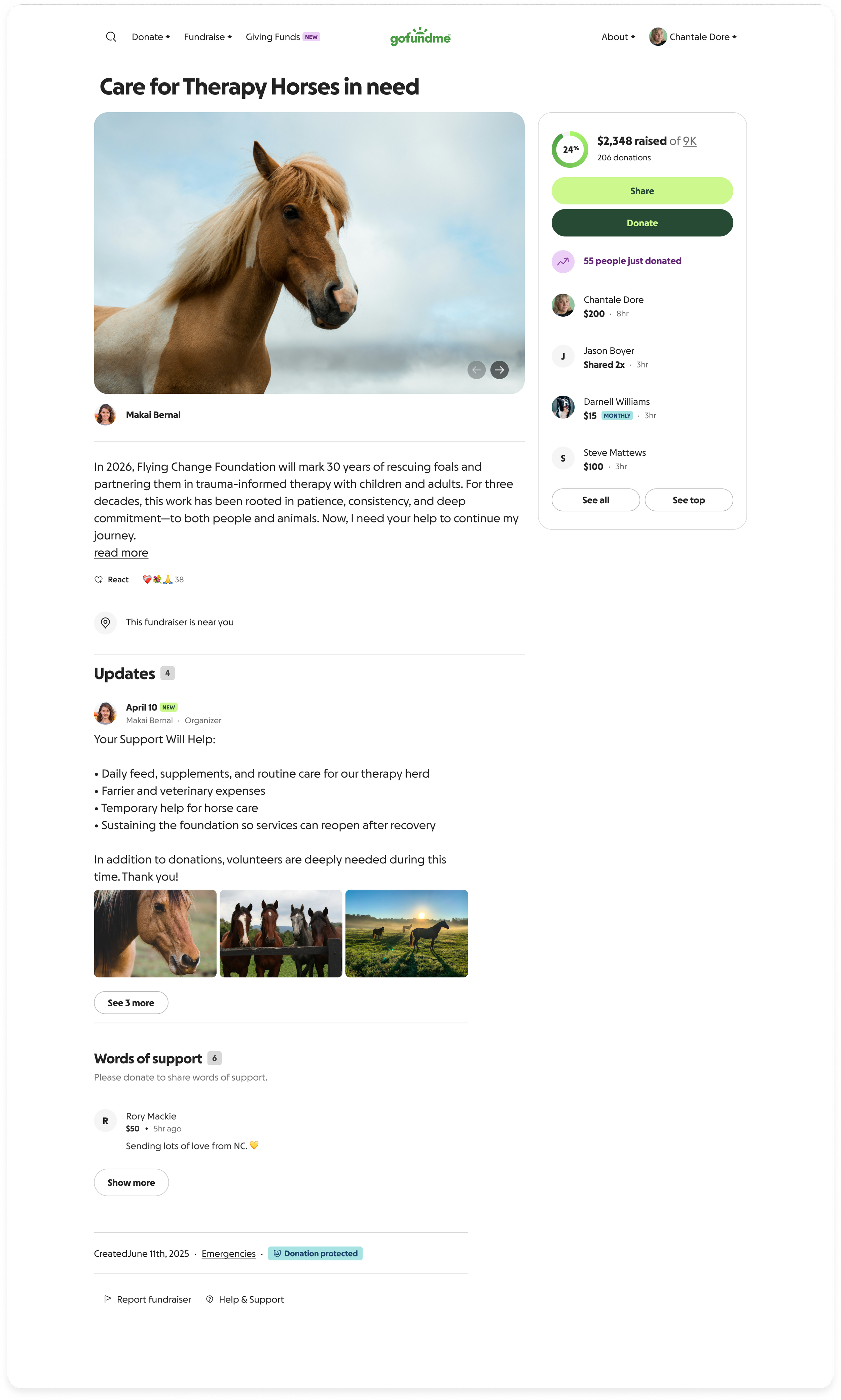
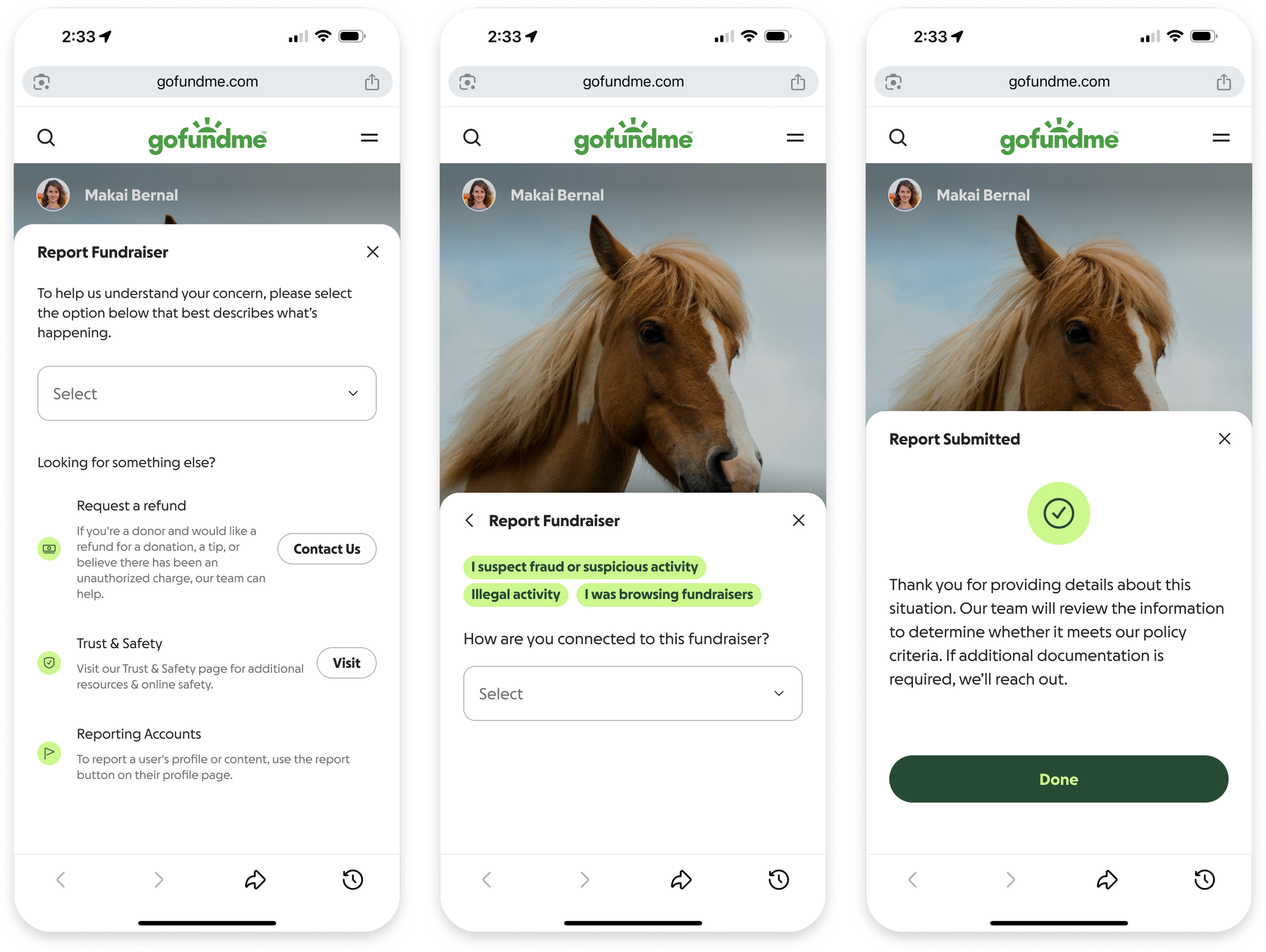
ROLE + COMPANY + YEAR
Lead Product Designer, GoFundMe 2026
DELIVERABLES
Task Flows, Screen Flows, & Prototyping
PLATFORM + FRAMEWORK
www.gofundme.com / Heart DS
Overview
For this project, I led the design strategy to streamline GoFundMe's consumer reporting model and improve transparency and trust in the integrity process.
Goal
This initiative aims to provide a consistent, low friction way for customers to report issues directly from a fundraiser page and shift from a vague, text-heavy, high-noise system into a structured, guided experience that captures clearer, more actionable signals.
Measuring Impact
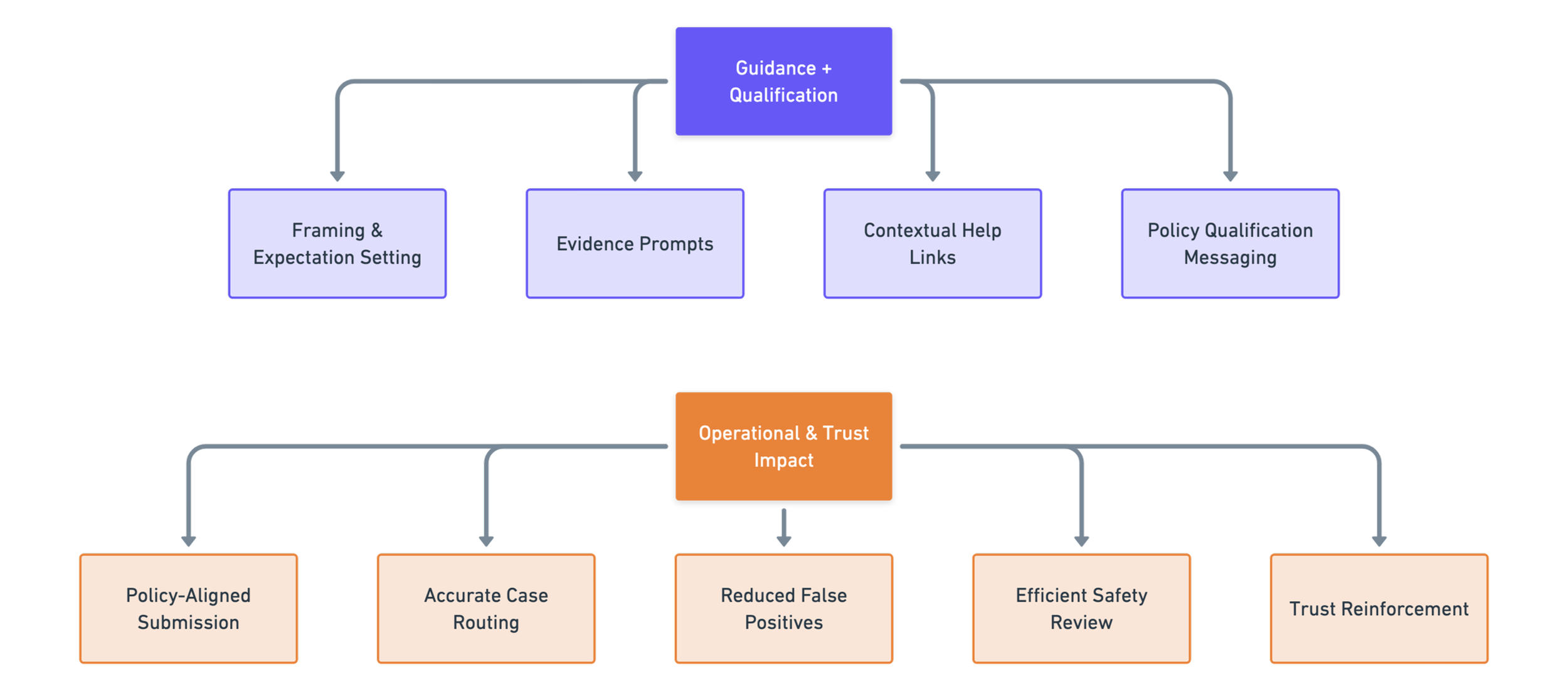
Empower Community Advocacy
Provide clearer, more intuitive reporting experience
Steer users toward actions aligned with their actual intent.
Strengthen Platform Trust
Surface legitimate risk earlier
Improves safety outcomes
Operational Efficiency
50% increase in routing accuracy through structured report types and metadata architecture
Lays the foundation for future automation, better triage, and ML-driven integrity workflows.
Fraud mitigation and cost reduction
Project Challenges
Balancing Community Voice and Platform Integrity
How do we create a behavioral interface that honors both community advocacy and policy governance?
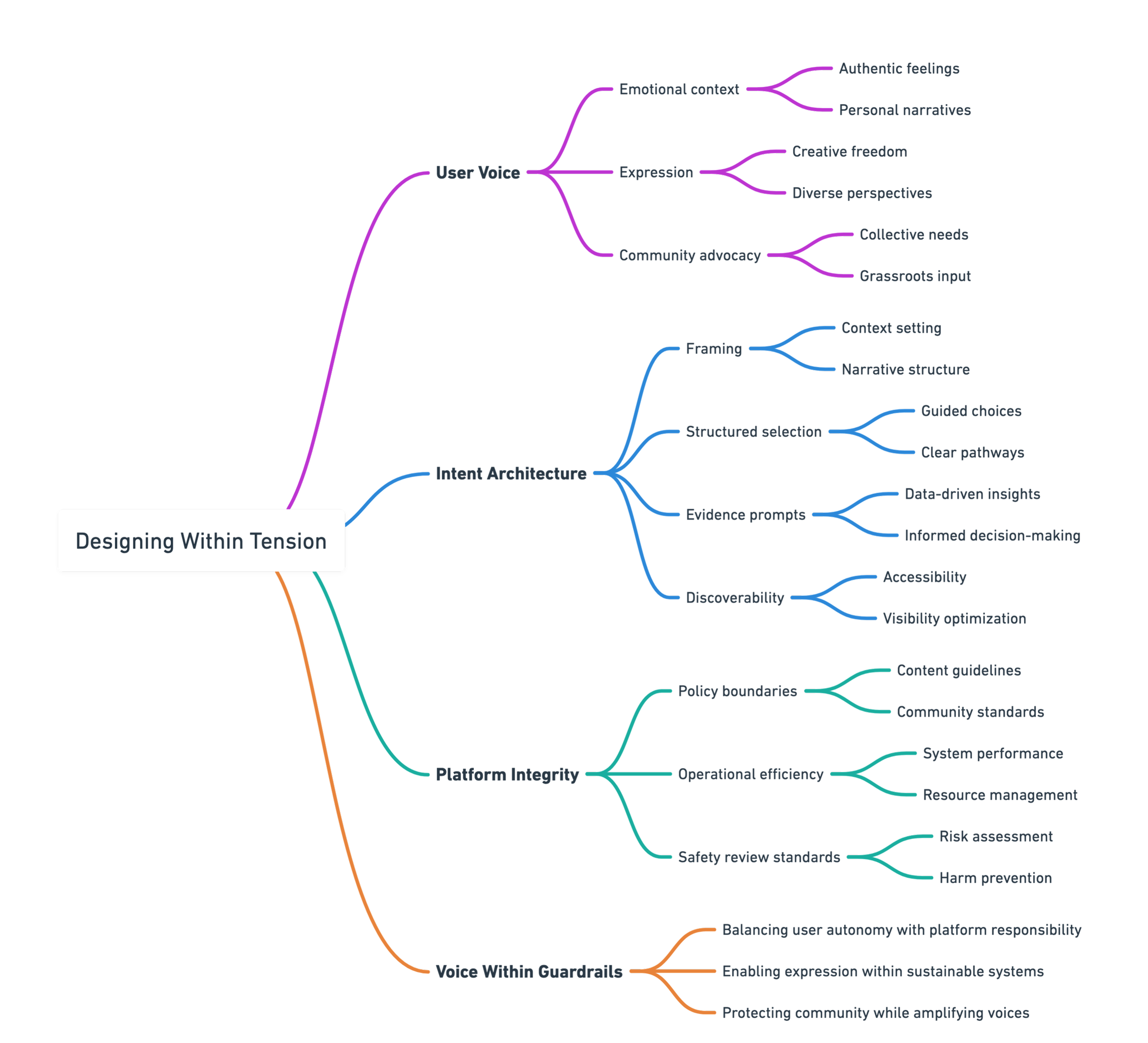
Takeaway
Empowerment with guardrails
Clear guardrails build trust and reduce misuse by providing a fair, defined path to action.
Discoverability prevents escalation
Unstructured emotion creates operational noise. Structured pathways convert it into actionable signal.
Policy Aligned Routing
Upstream UX decisions directly shape downstream operational efficiency.
Clear Intent Selection
Designing around real user intent improves both user experience and moderation accuracy.
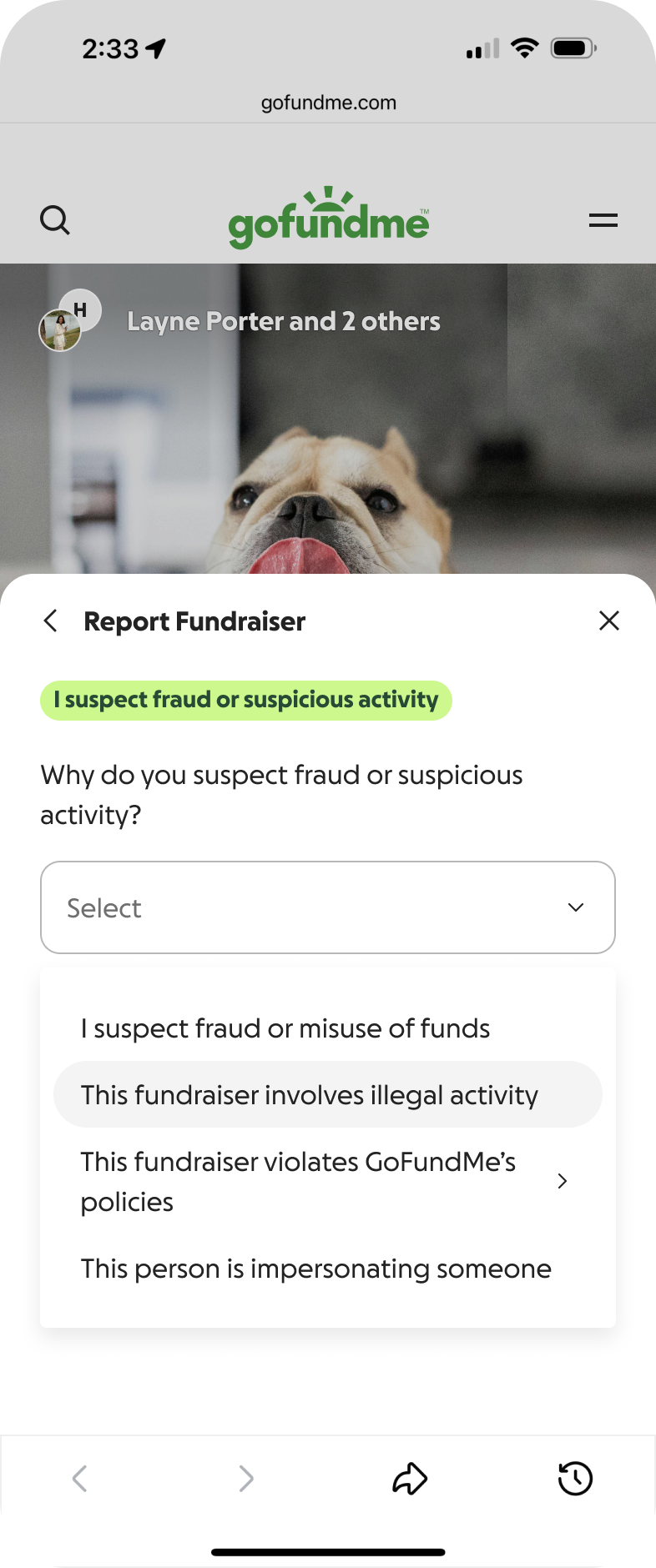

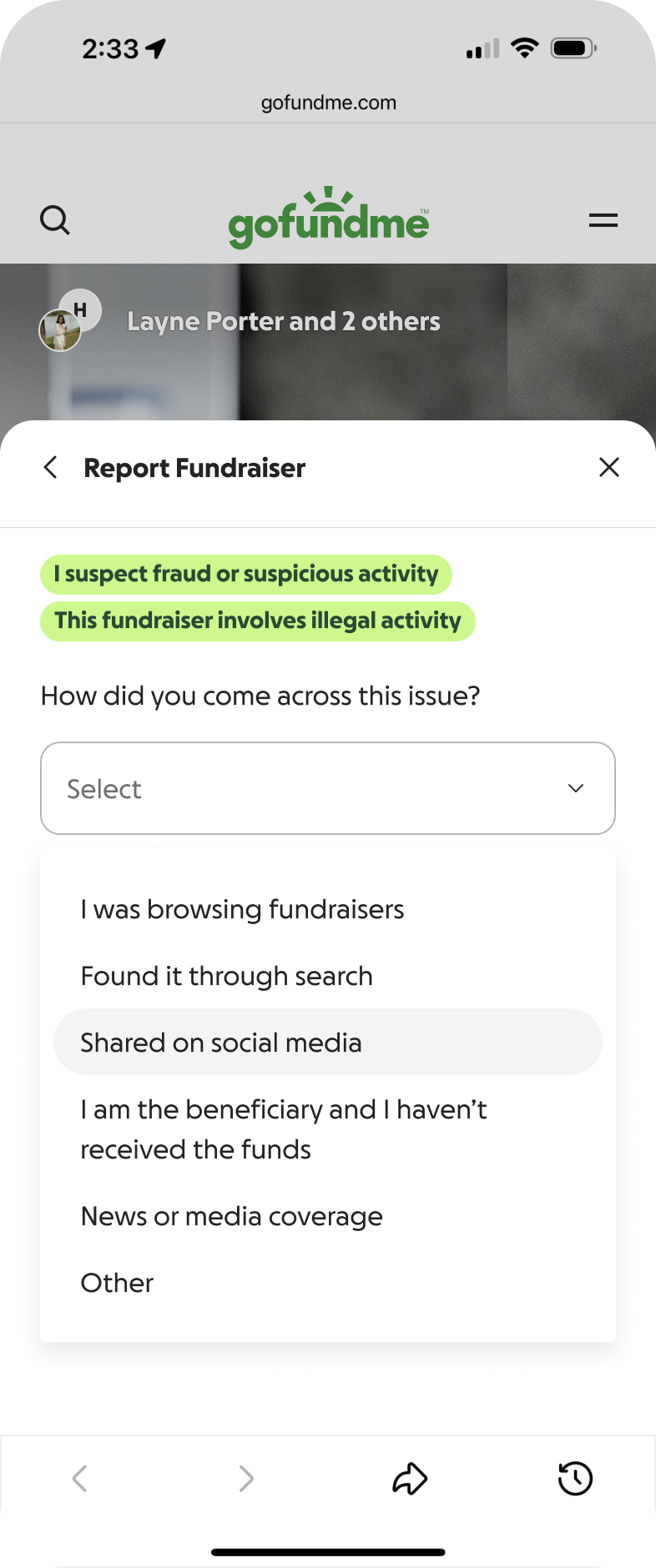

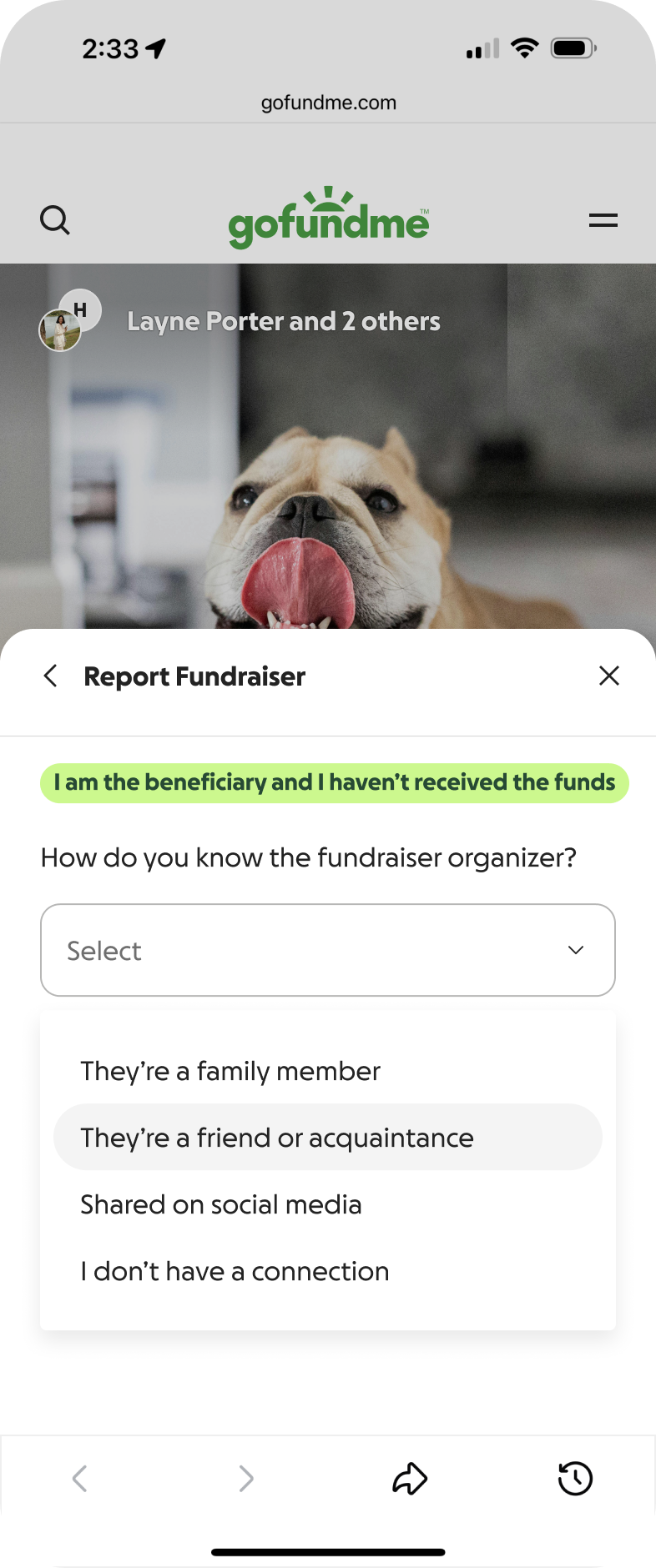

User Scenarios
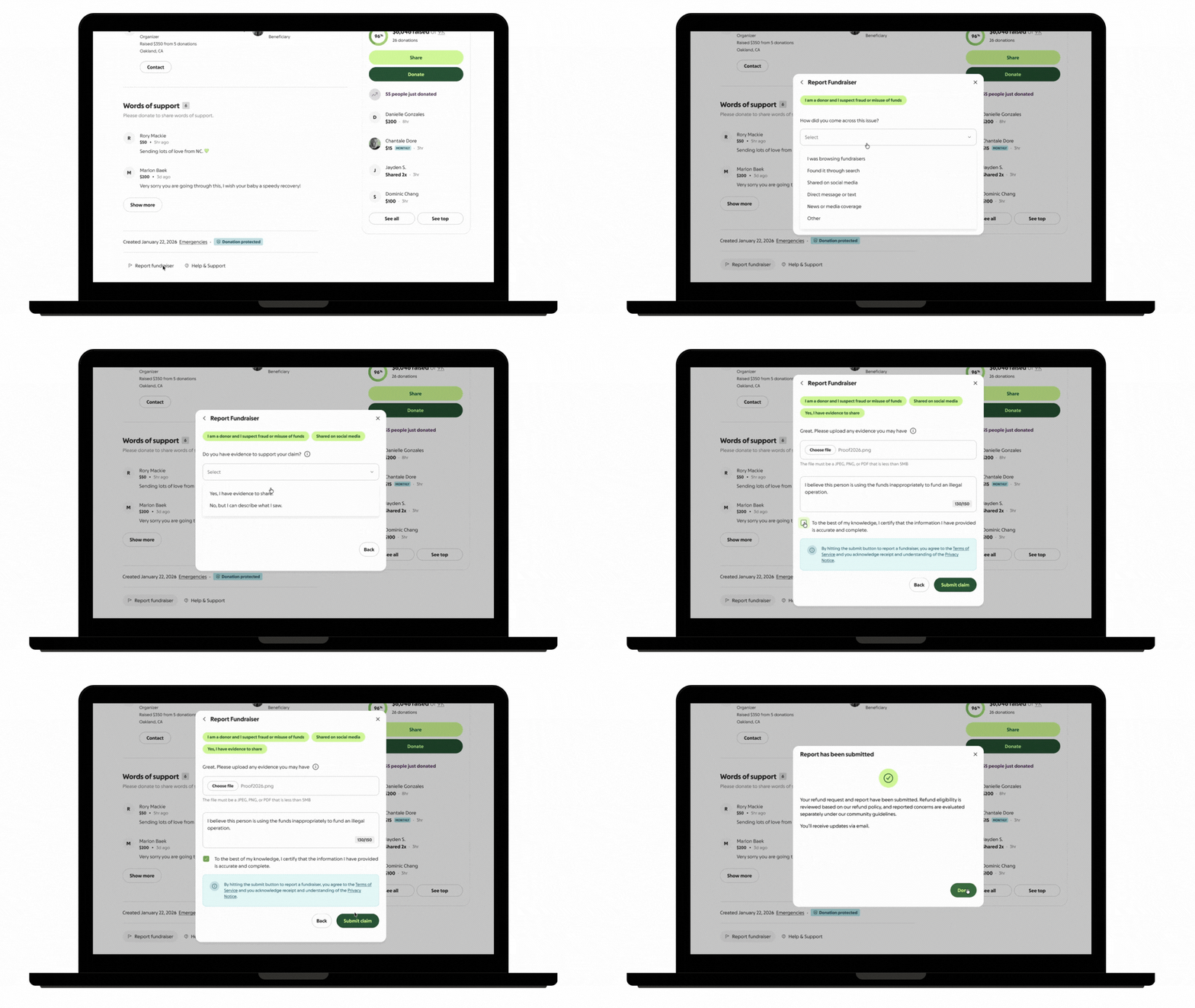
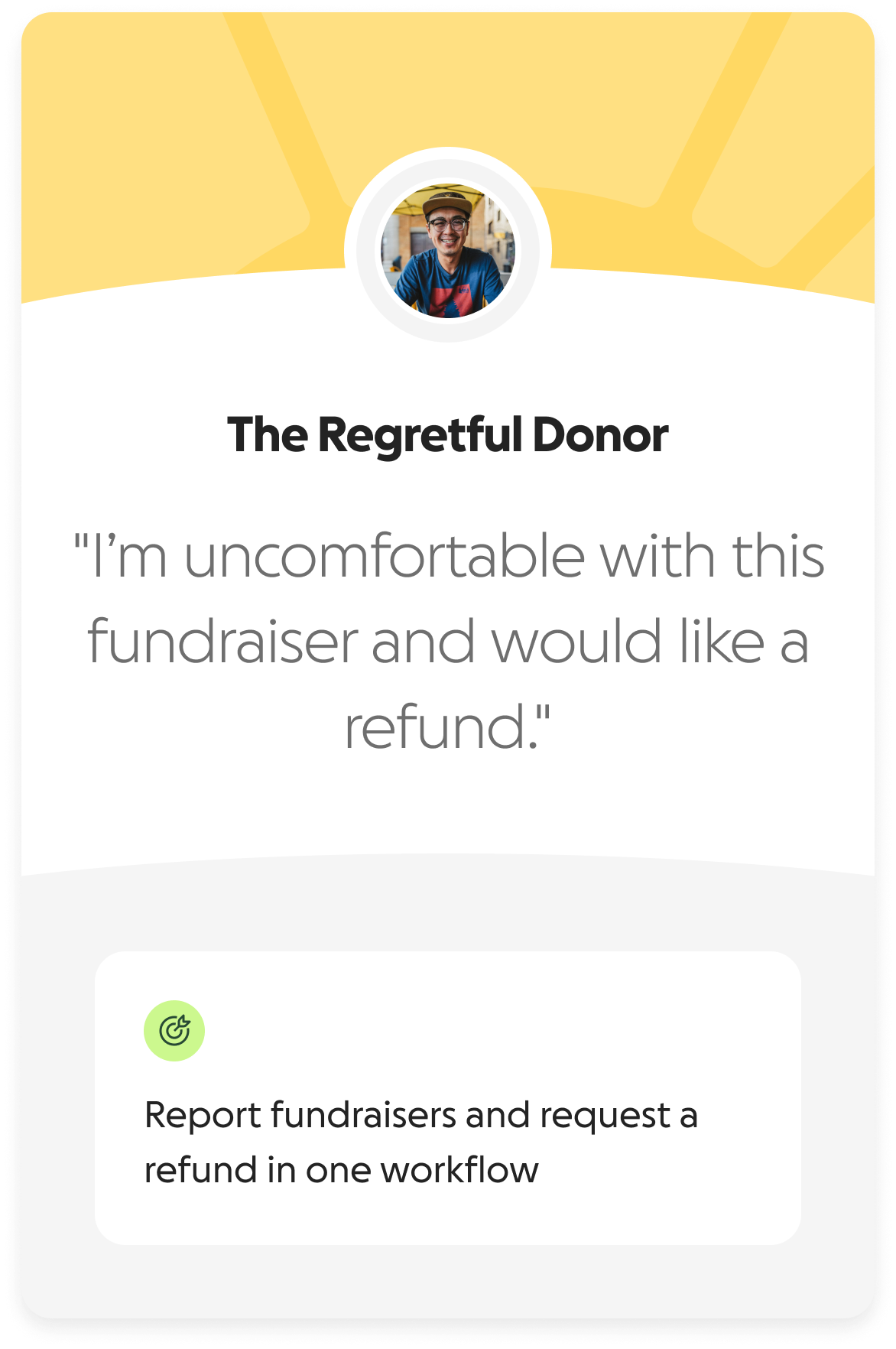
End to end product experience for various logged in personas
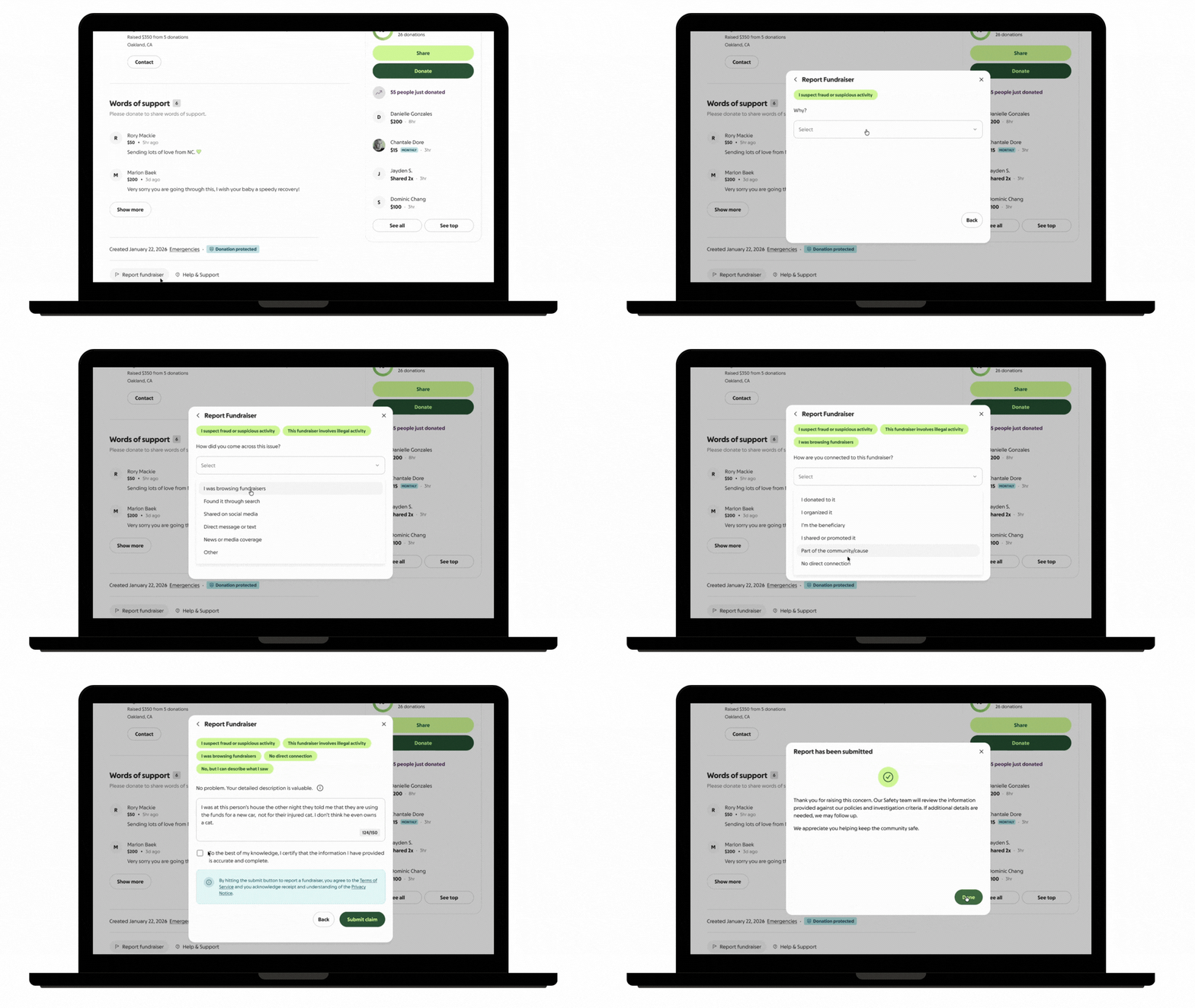
Flow: Menu → Category → Detail → Reassurance
Time: 2-3 minutes
Steps: 5 screens
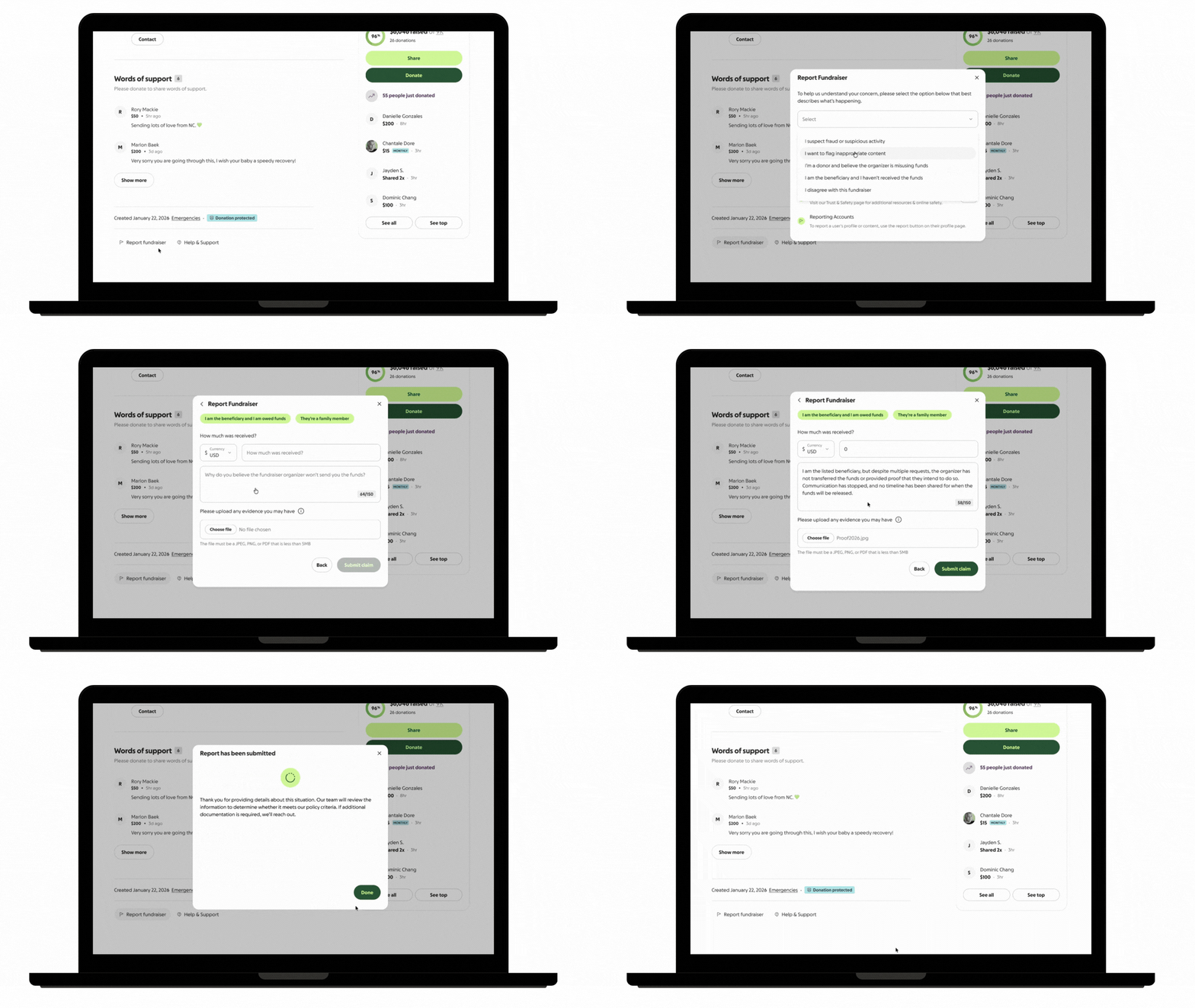
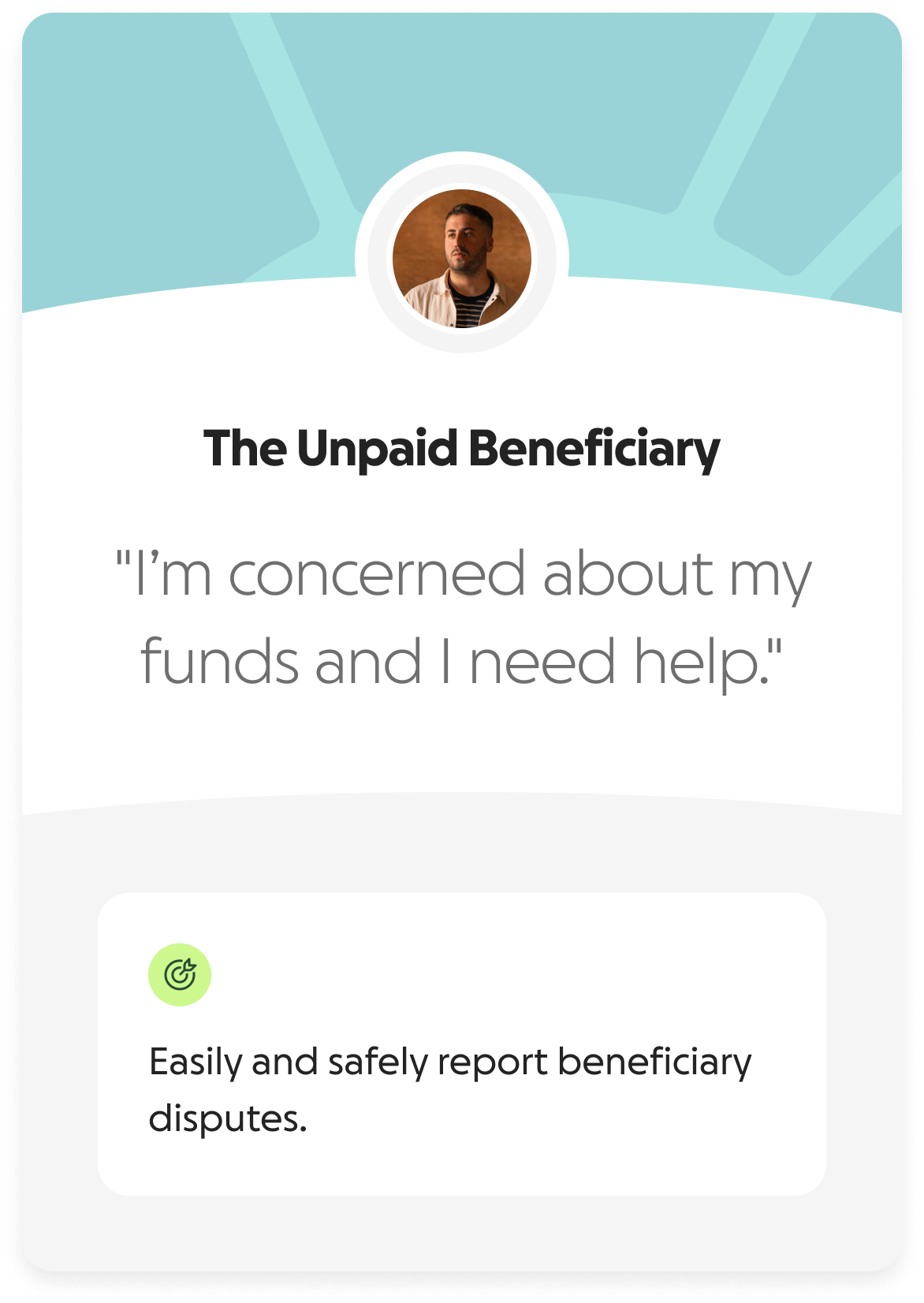
Flow: Menu → Category → Detail → Reassurance
Time: 1-2 minutes
Steps: 5 screens
Flow: Menu → Category → Detail → Reassurance
Time: 1-2 minutes
Steps: 4 screens
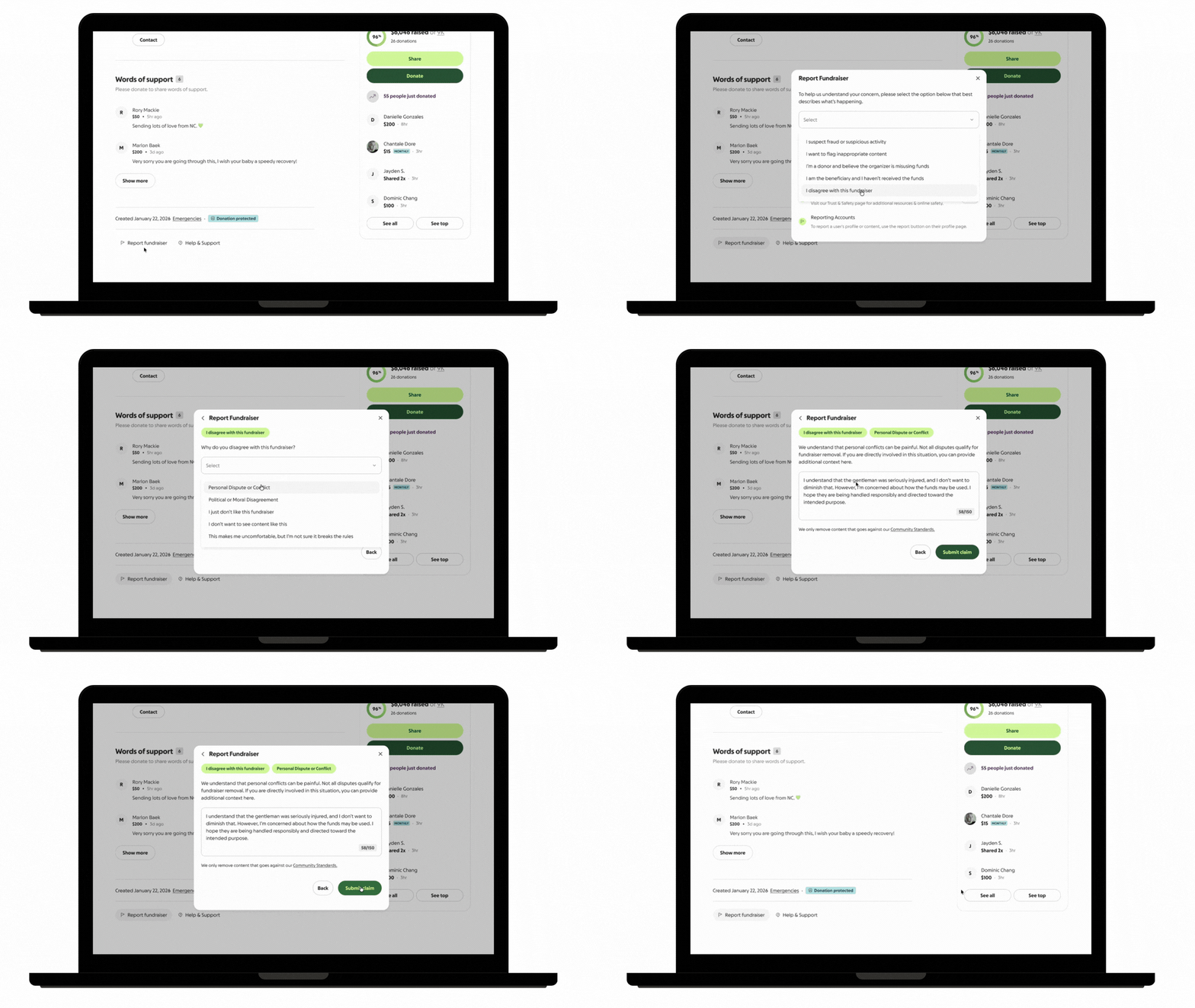
Flow: Menu → Category → Detail → Reassurance
Time: 1-2 minutes
Steps: 3 screens
Process
Synthesize user research and audit current state experience on the platform today.
Tools used, the prompts that drove results, and how I used or edited the output to ensure quality and authenticity.
Developed foundational principles to ensure our goals were met
Defined a framework for how new workflows transform emotionally charged reactions into high-quality, policy-aligned submissions.
Iterated on multiple designs for structured, policy-aligned workflows through intentional framing, guided selection, and evidence design.
Research Insights
✓
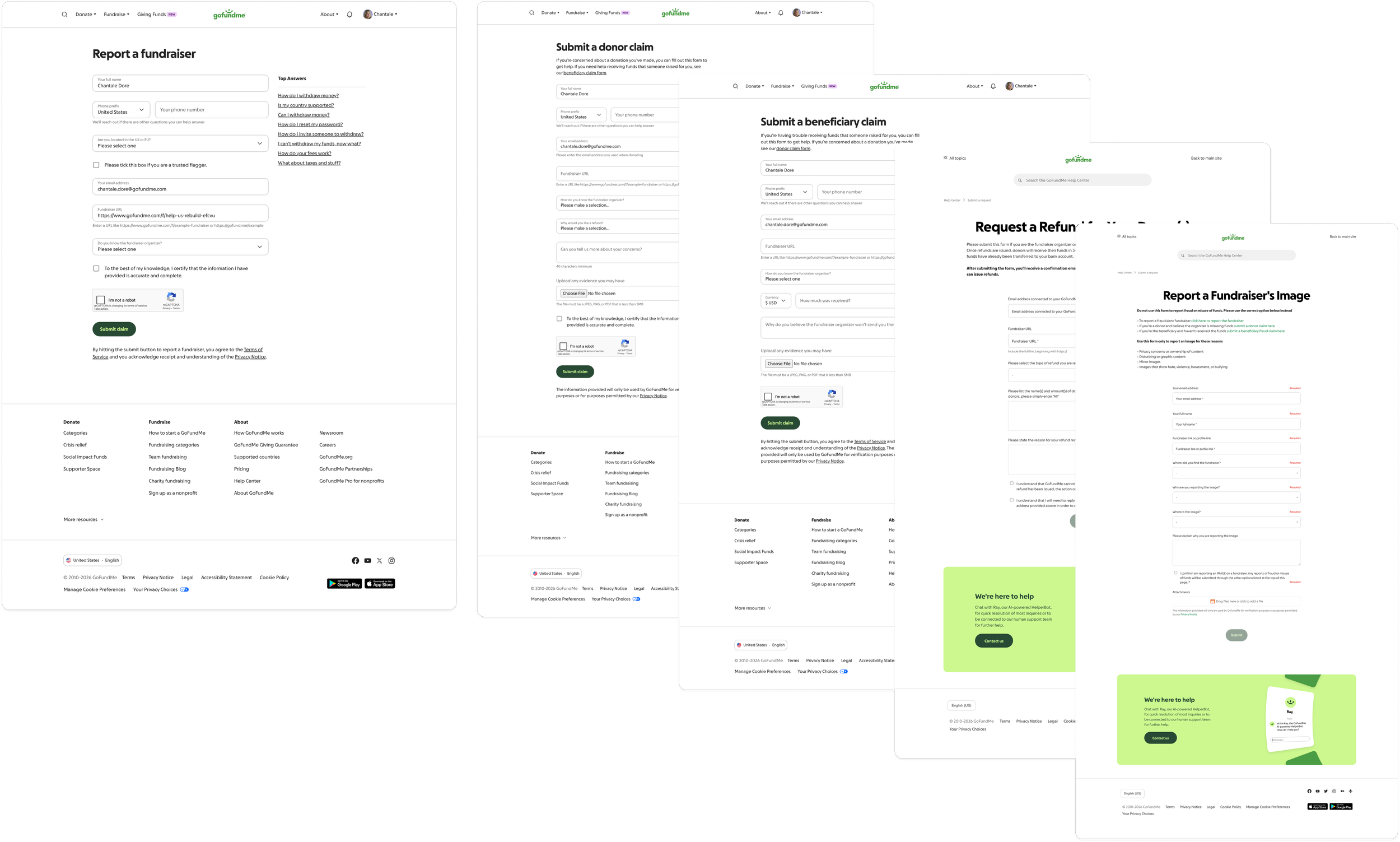
Unclear entry points, static form experience
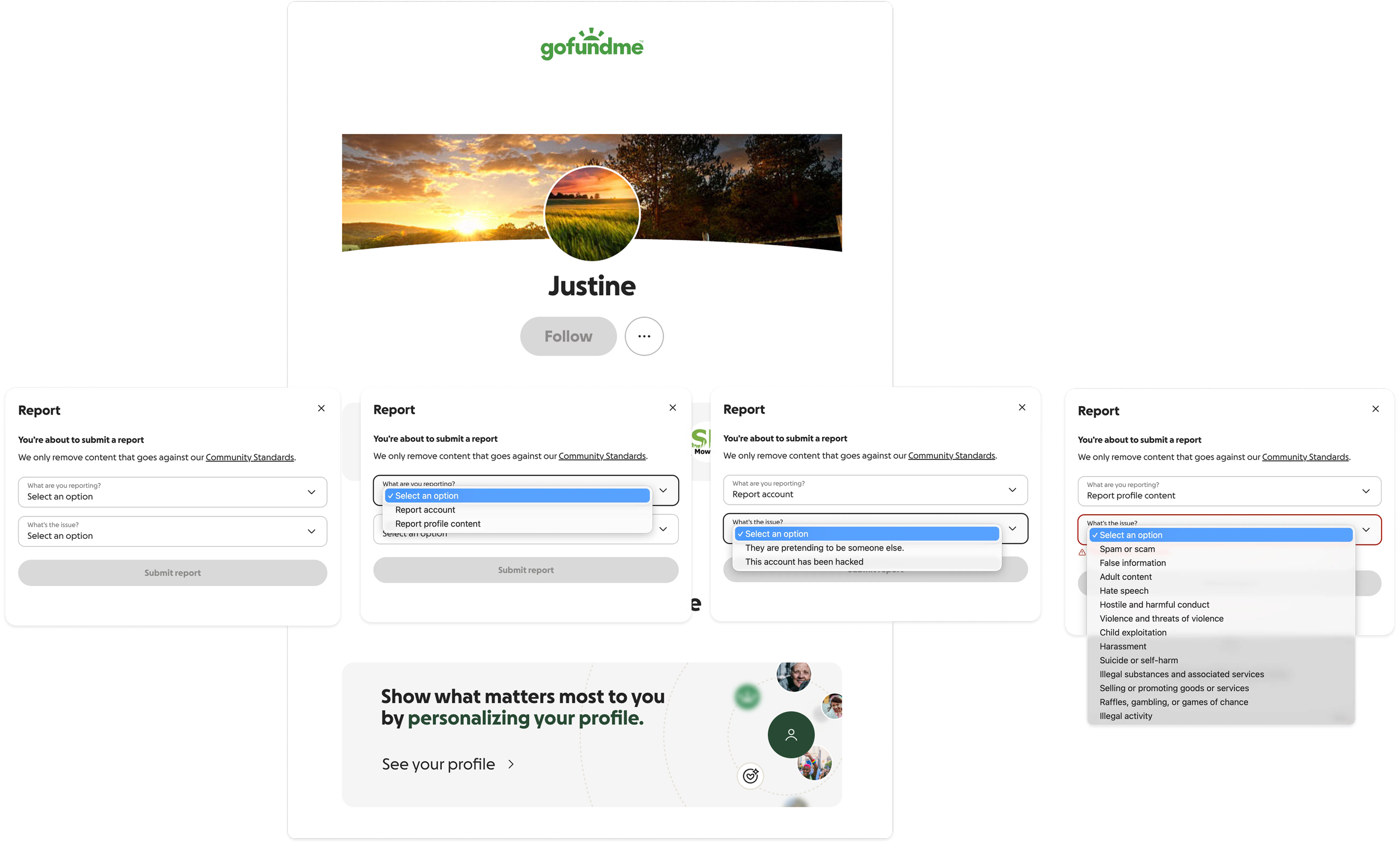
Form Misuse & Ticket Misrouting Caused by Poor Form Discovery
✓
Fragmented & inconsistent reporting experiences across platform
Ticket Misrouting Caused by Unstructured User Input & incomplete submissions.
✓
Emotionally charged non evidence based reporting flood the system
Operational Load of Less Actionable Tickets & Repetitive Back and Forth with Users due to Lack of Upfront Info
“Politically or virally charged fundraisers trigger mass reporting, creating volume but not actionable risk.”
⎯ Risk Team Analyst
“A significant portion of “fraud” submissions are actually standard refund requests, reflecting user confusion rather than true risk
⎯ Risk Team Analyst
“People don’t know which form to use... there are all these bars in place that prevent users from getting the help they need.”
⎯ Risk Team Analyst
“Many tickets lack necessary structure, resulting in subjective or speculative claims that analysts must spend time decoding.”
⎯ Risk Team Analyst
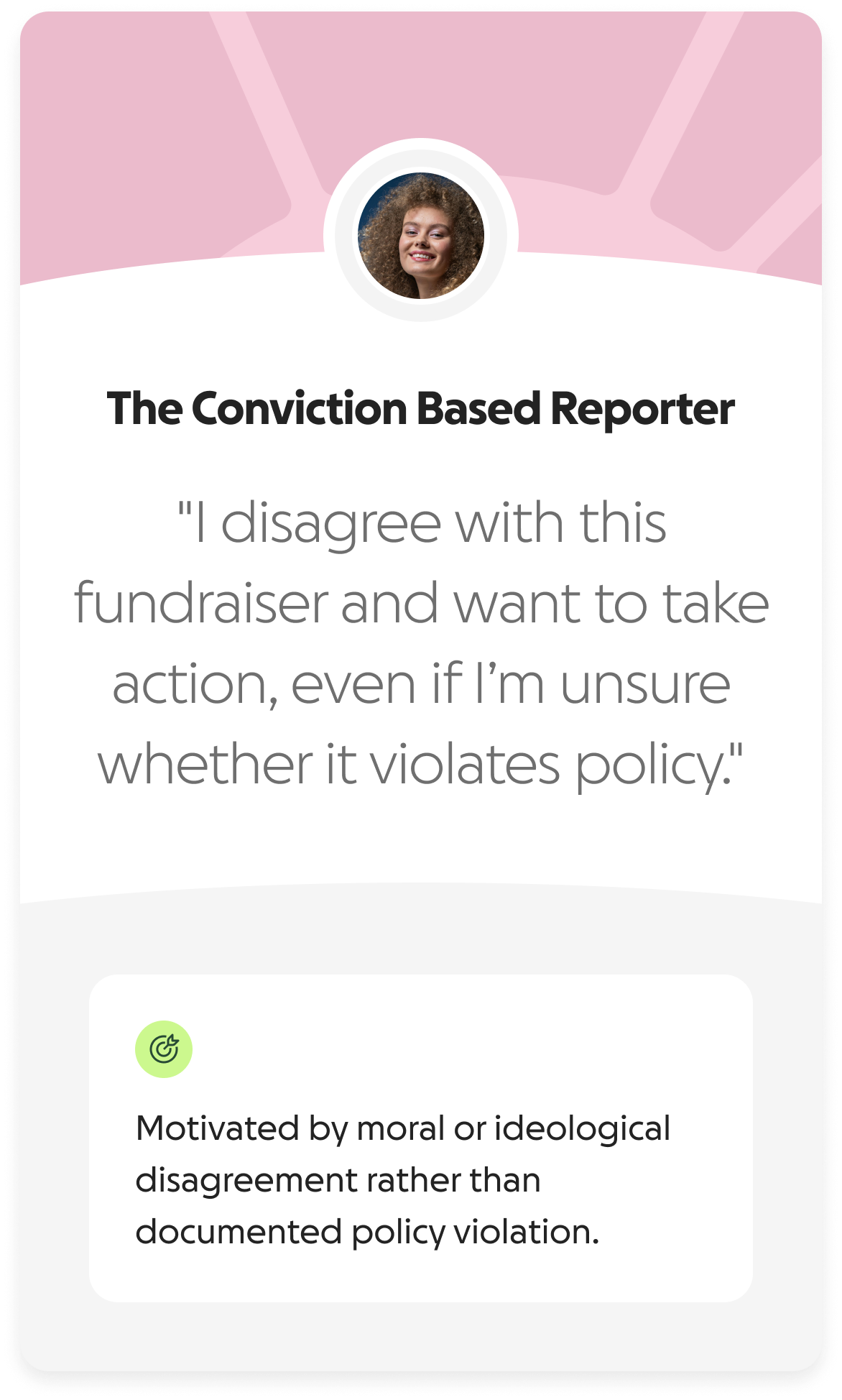
“Personal disputes (custody, family, moral objections) flood review queues without meeting actionable criteria.”
⎯ Risk Team Analyst
Problem
The reporting experience lacked intent-based structure, leading to emotionally reactive, low-signal submissions that were often misaligned with policy criteria and moderation workflows. This created friction for users and inefficiencies for Safety teams.
✦ AI Strategy
AI was integrated throughout the project as an acceleration layer across research, synthesis, and production. Rather than replacing design thinking, it enhanced pattern detection, iteration speed, and clarity of articulation.
Research Synthesis
I used NotebookLM to cluster qualitative themes across reporting categories, identify behavioral patterns, and surface recurring emotional triggers.
Signal Framing and Copy Iteration
Rapidly explored multiple tonal variations for modals, tooltips, and confirmation messaging to pressure test clarity, neutrality, and de escalation language using ChatGPT.
Intent Architecture Exploration
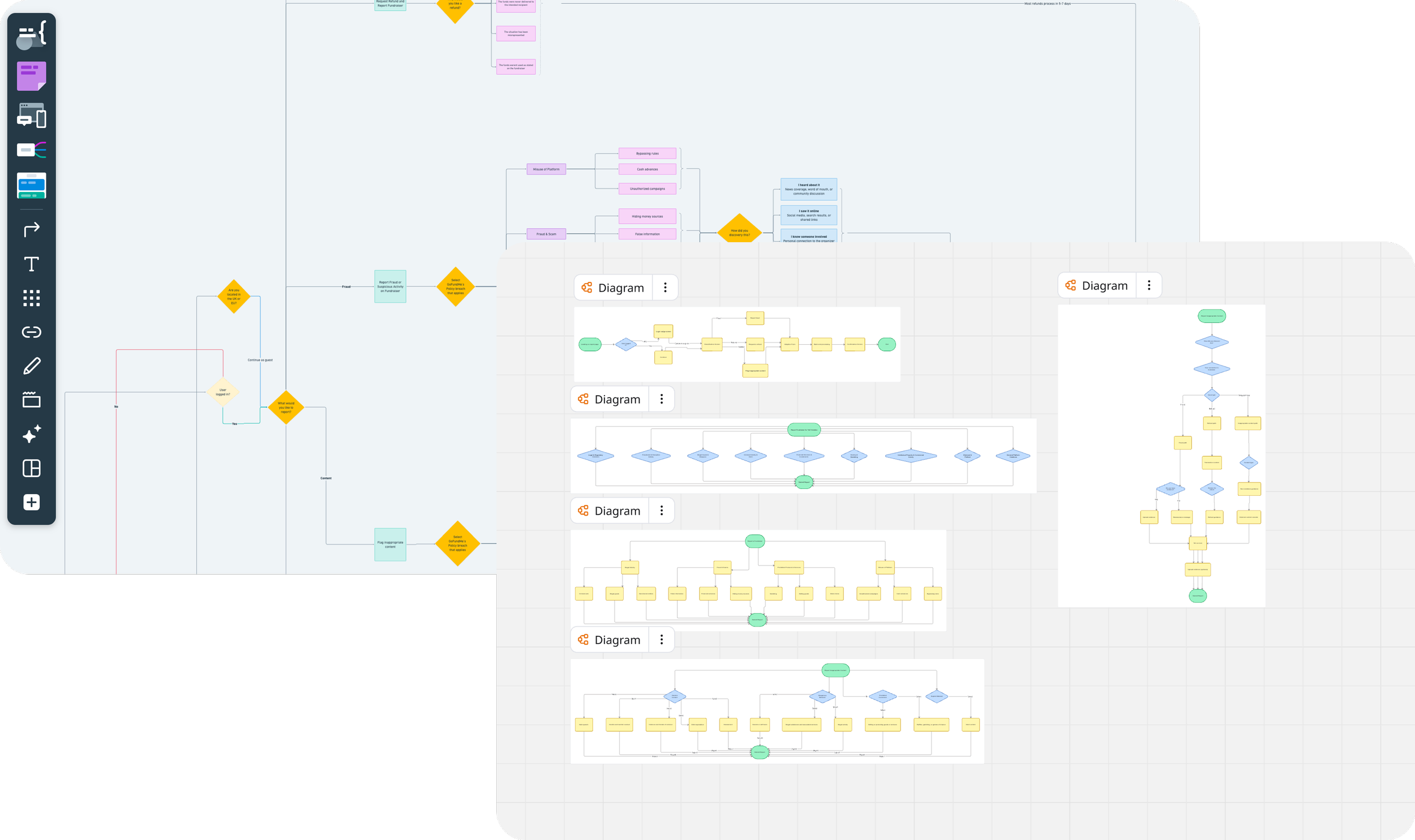
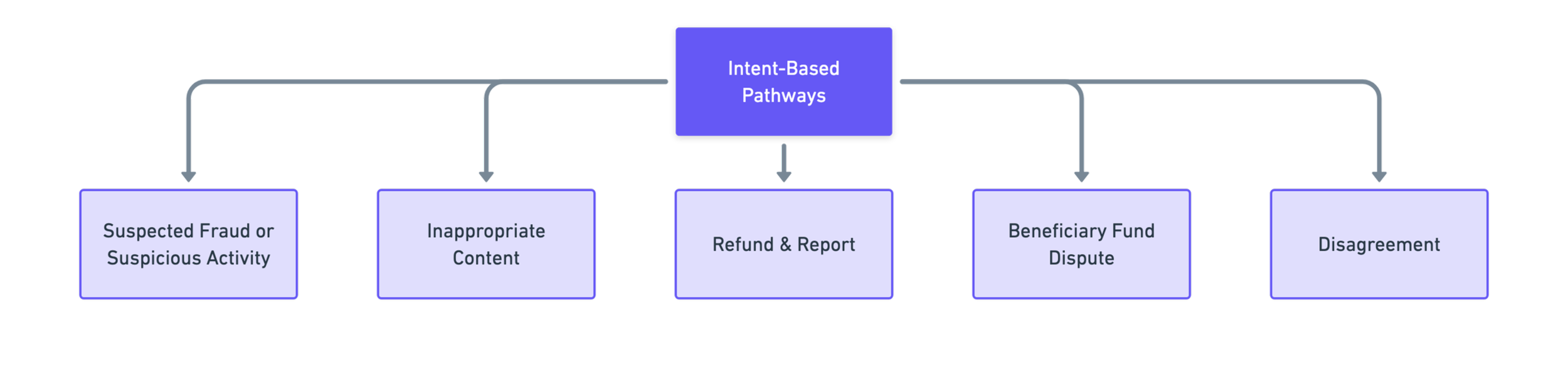
Used Miro AI & Whimsical AI to map steps across fraud, refund, beneficiary disputes and idealogical disagreements and stress test routing logic.
Vibe Coding for Flow Iteration
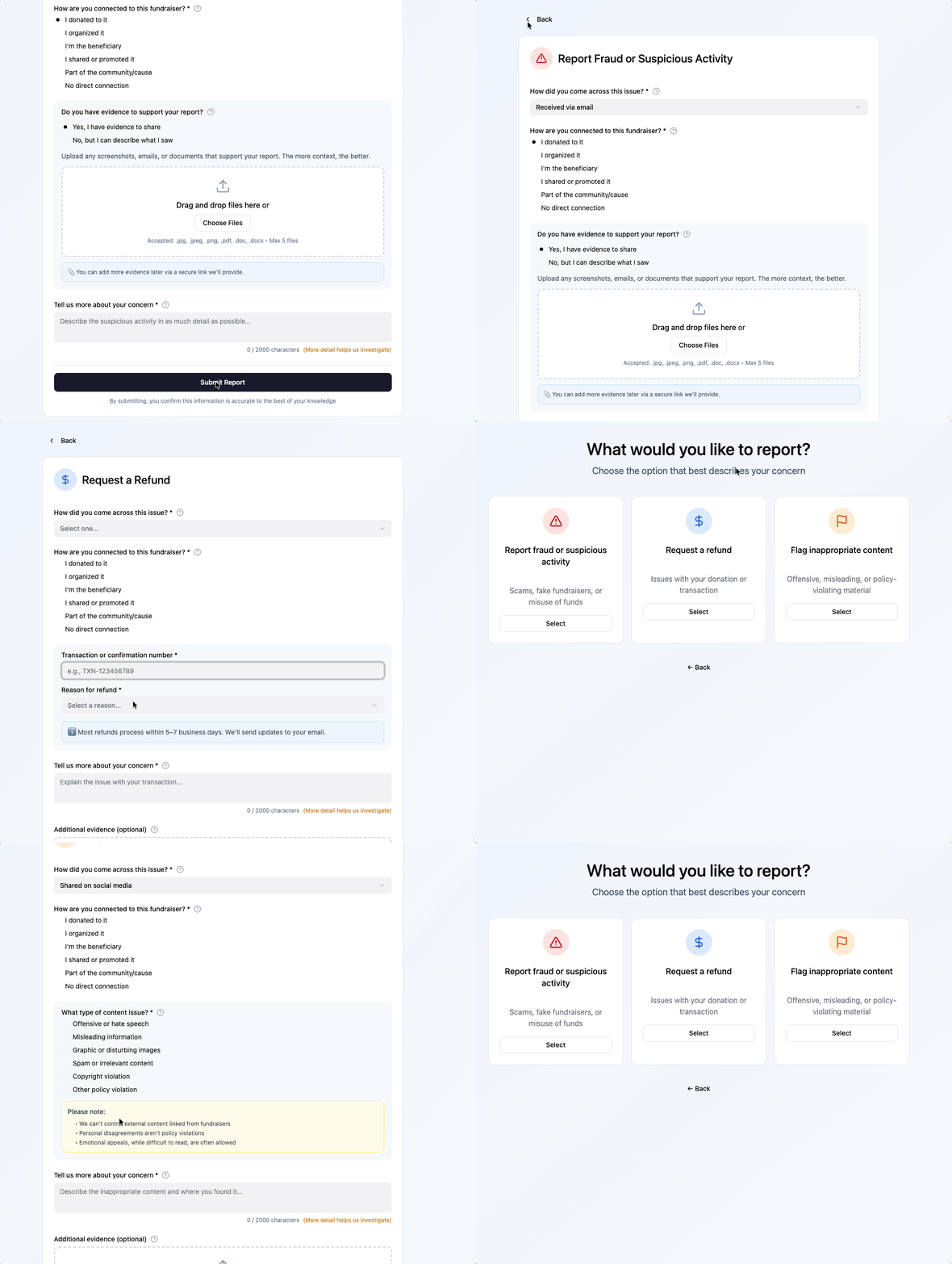
To accelerate early stage exploration, I used Figma Make to rapidly prototype high-level screen flows to pressure test.
Prompt:
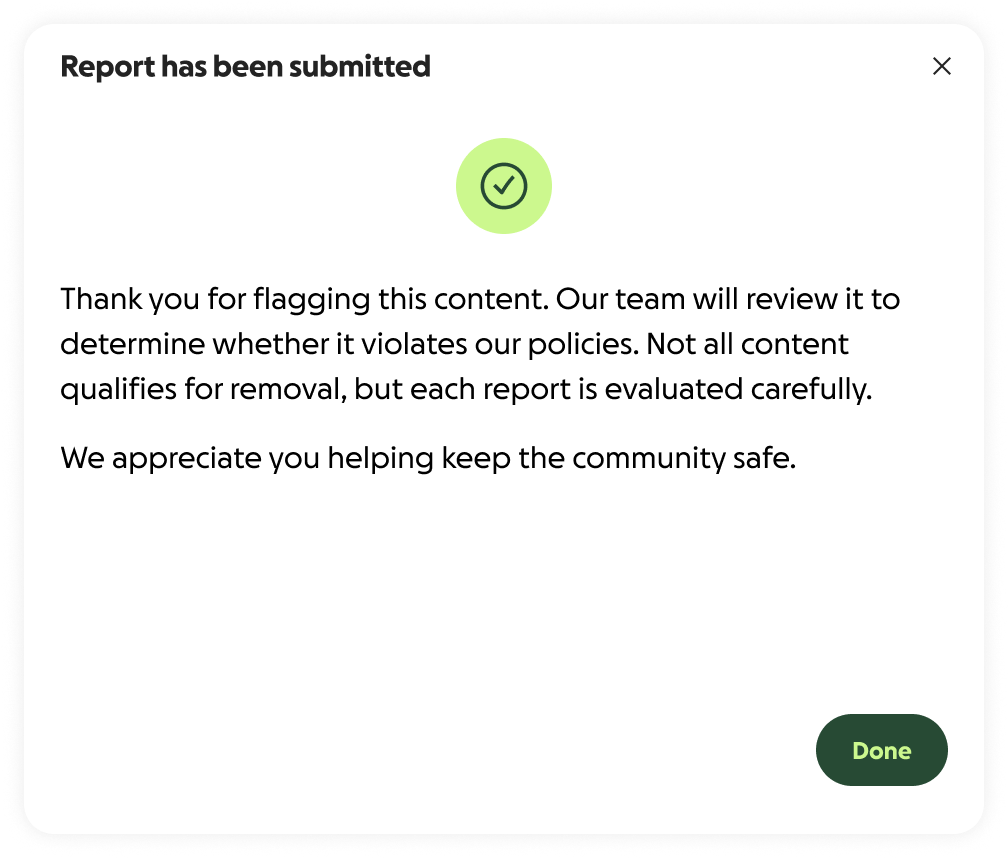
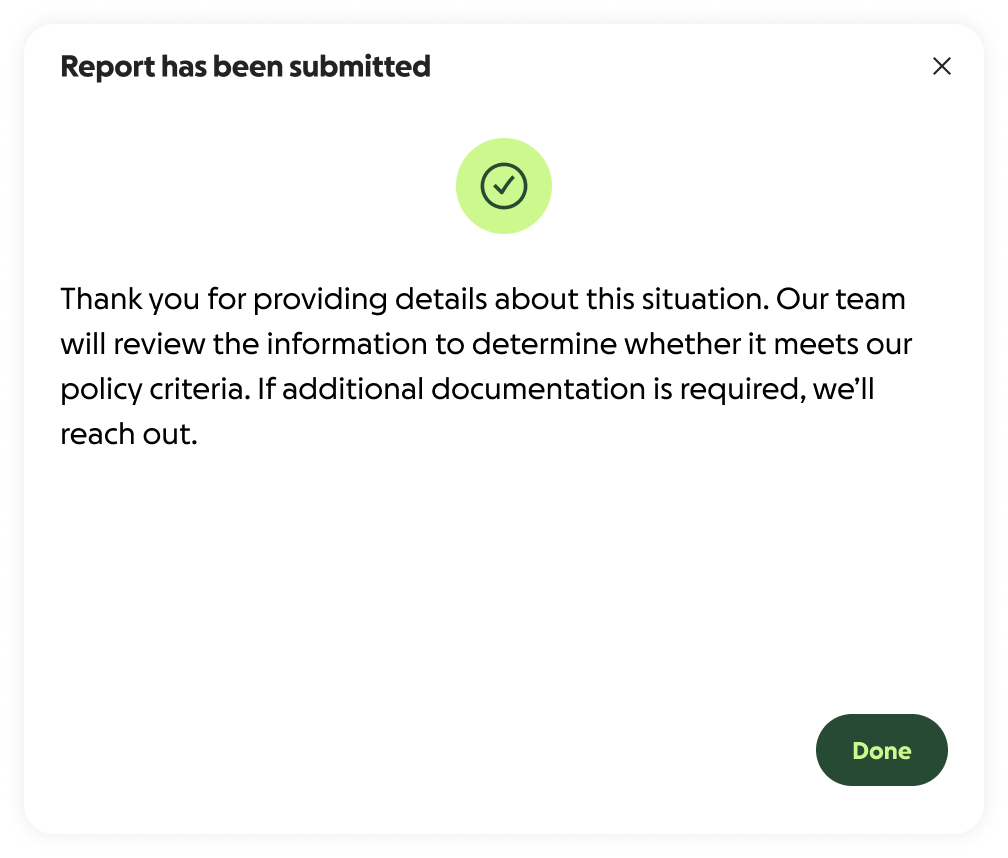
How can I design a reporting experience that feels supportive, sets clear expectations, and elevates high-signal reports while reducing noise for review teams. Use a single adaptive form, empathetic guidance, and smart routing.
Design Principles
⚪️
Reduce Noise, Increase Signal
Clear pathways reduce reactive behavior and improves submission quality, routing accuracy, and operational efficiency.
⚪️
Guide, Don’t Police
Use framing, selection design, and evidence prompts to gently steer users toward policy-aligned actions rather than blocking them outright.
⚪️
Discoverability
Surface relevant guidance and alternative pathways at the point of friction to reduce false positives and better route issues before escalation.
Design Framework
Converting Emotion into Structured Signal
The experience transforms emotionally charged reactions into high-quality, policy-aligned submissions through structured intent pathways and contextual guidance.
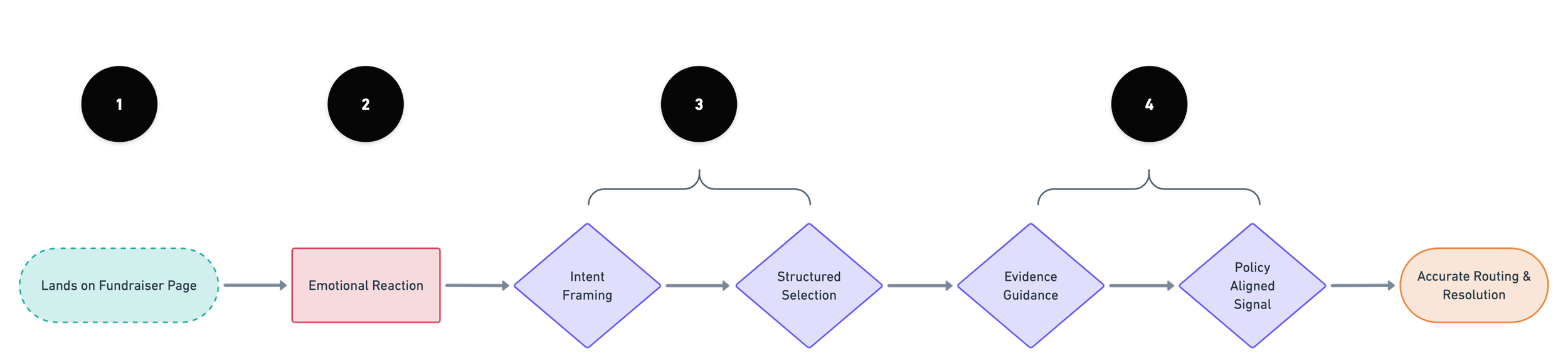
Design for Intent
Transformed emotionally reactive reporting into structured, policy-aligned signal through intentional framing, guided selection, and evidence design.
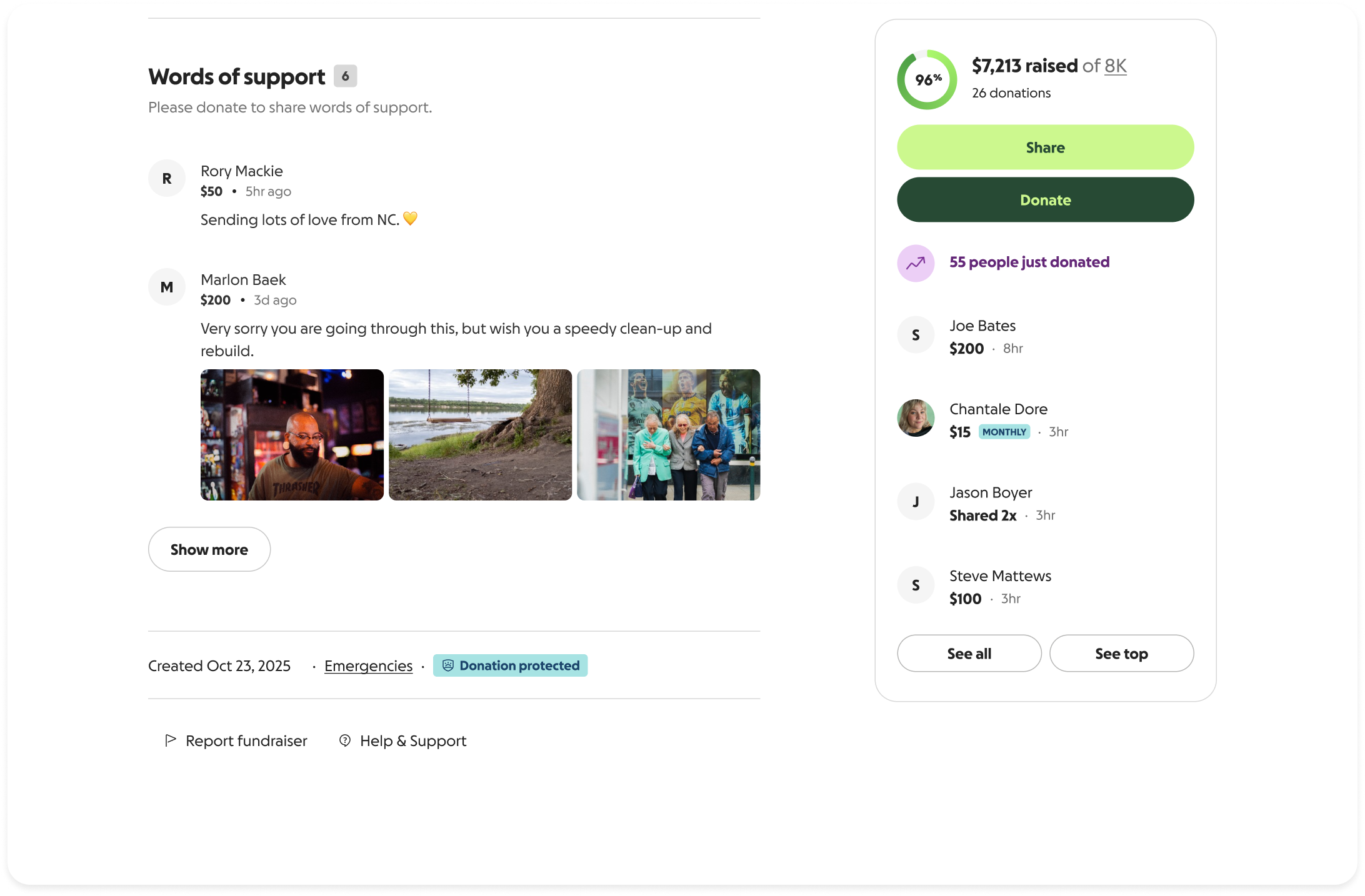
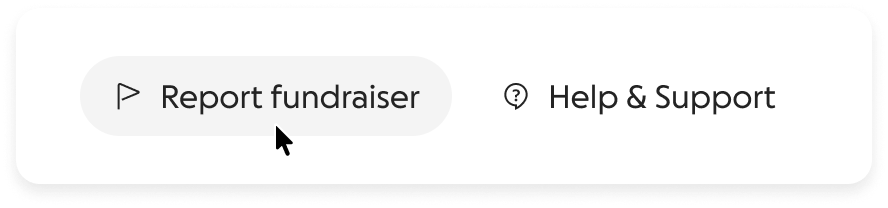
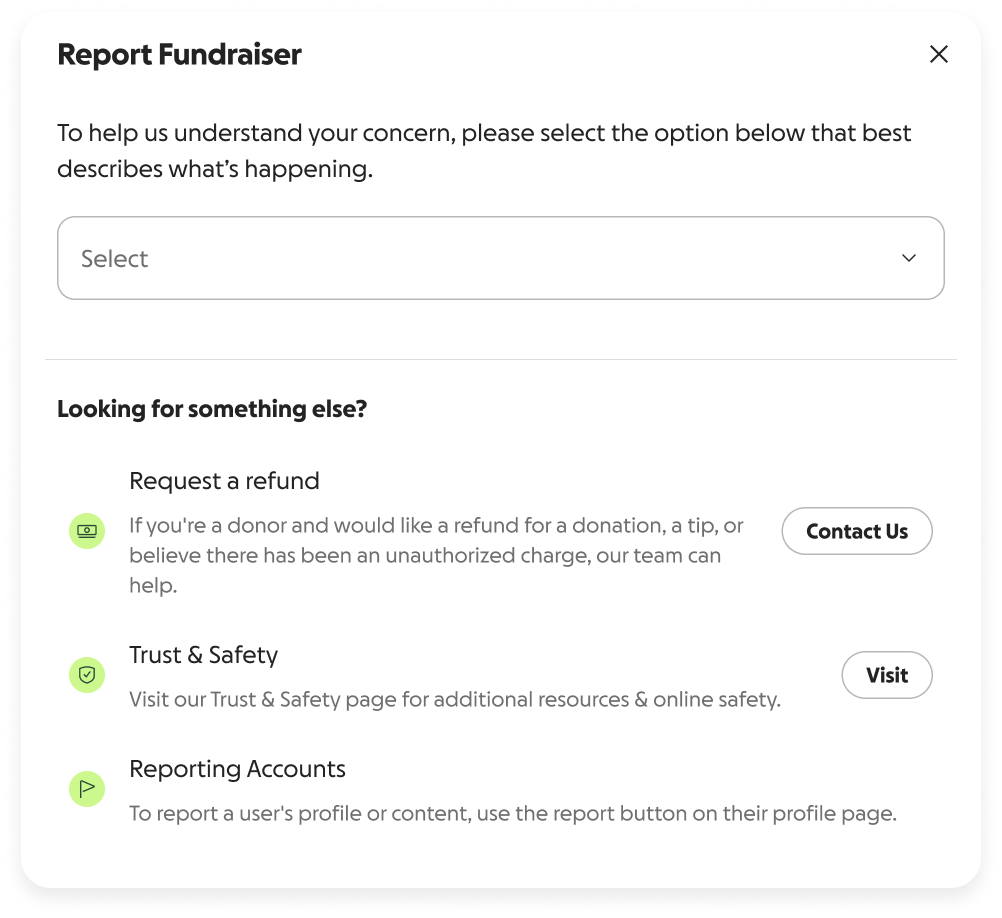
1 / Discoverability
Surface relevant guidance and alternative pathways at the point of friction
Reduce false positives and better route issues before escalation:
In page nudges
Dynamic logic
Alternative pathways
UX Scenarios
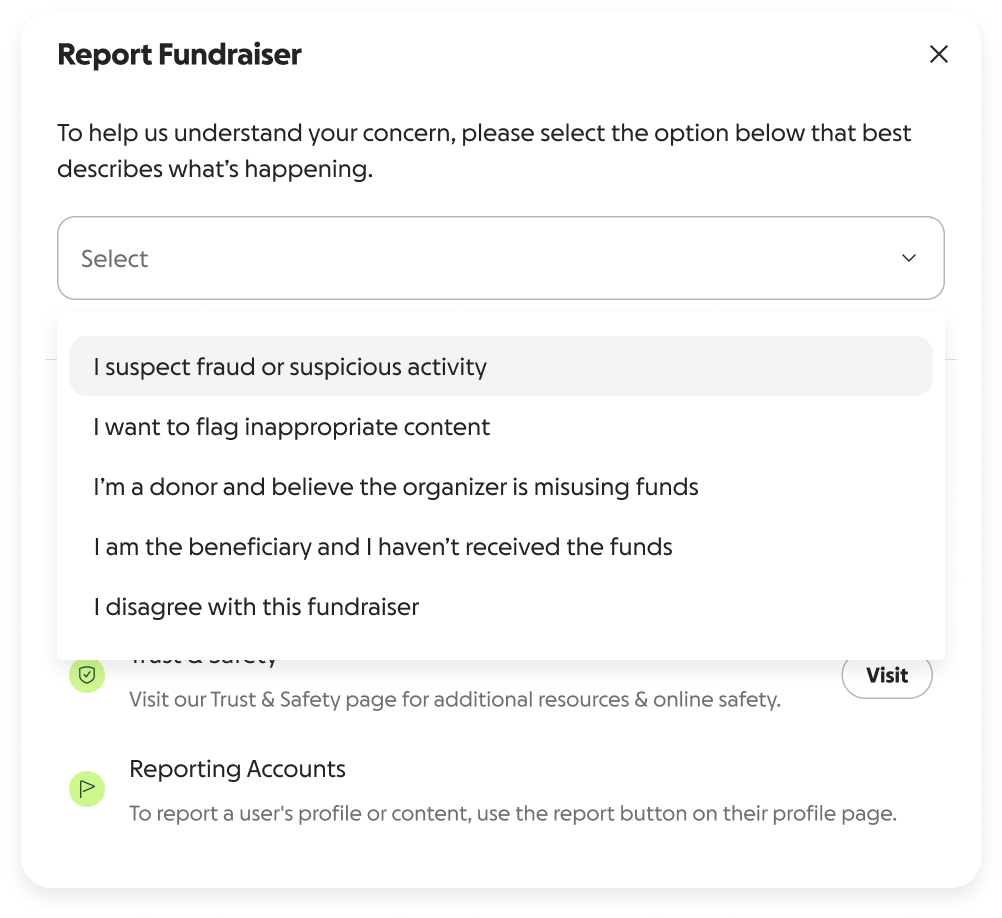
Unified entry point for varied community concerns
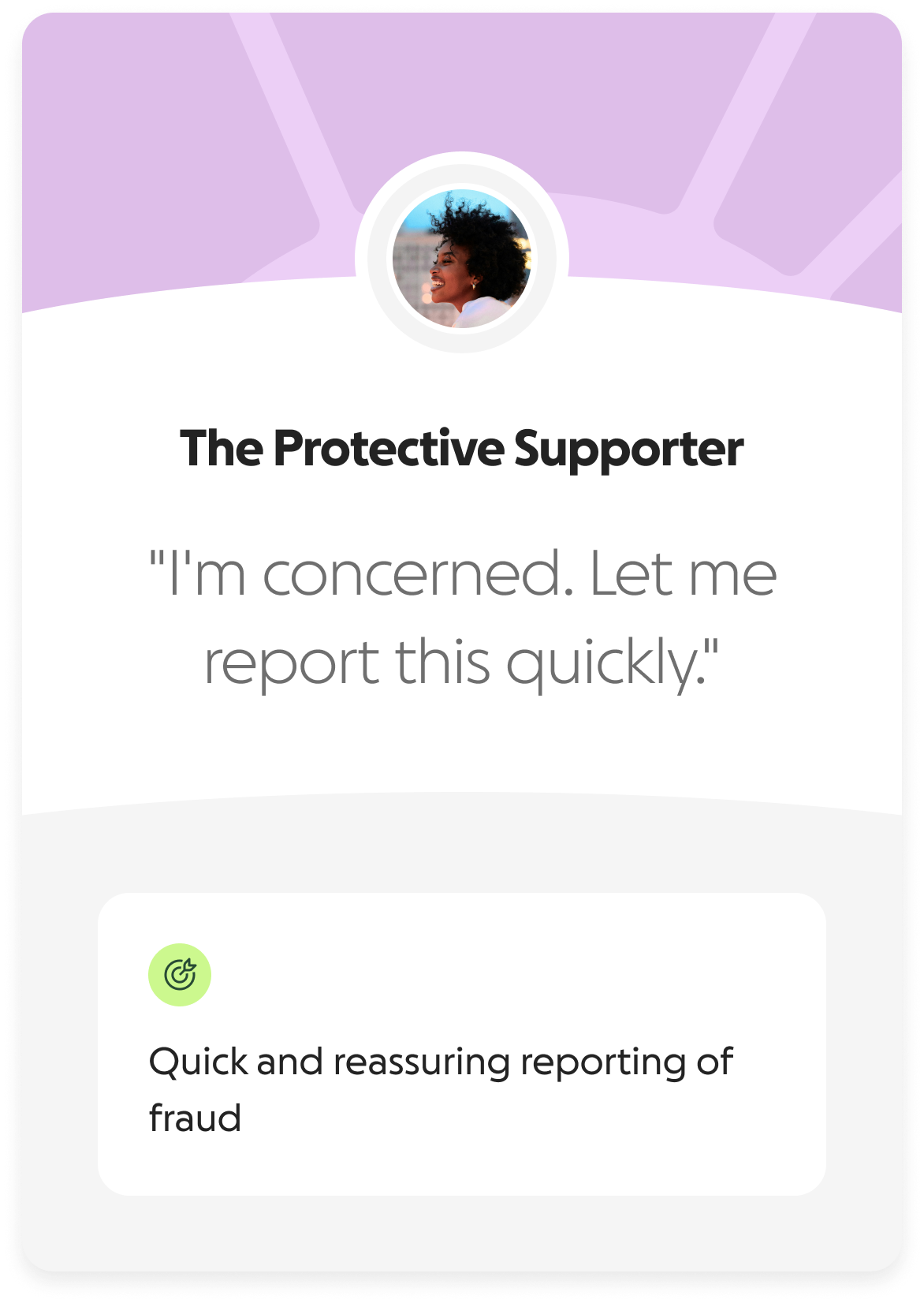
Concerned supporters
Fraud reporters
Refund seekers
Beneficiaries owed funds
People who simply disagree
Safety teams reviewing cases
Ops teams routing issues
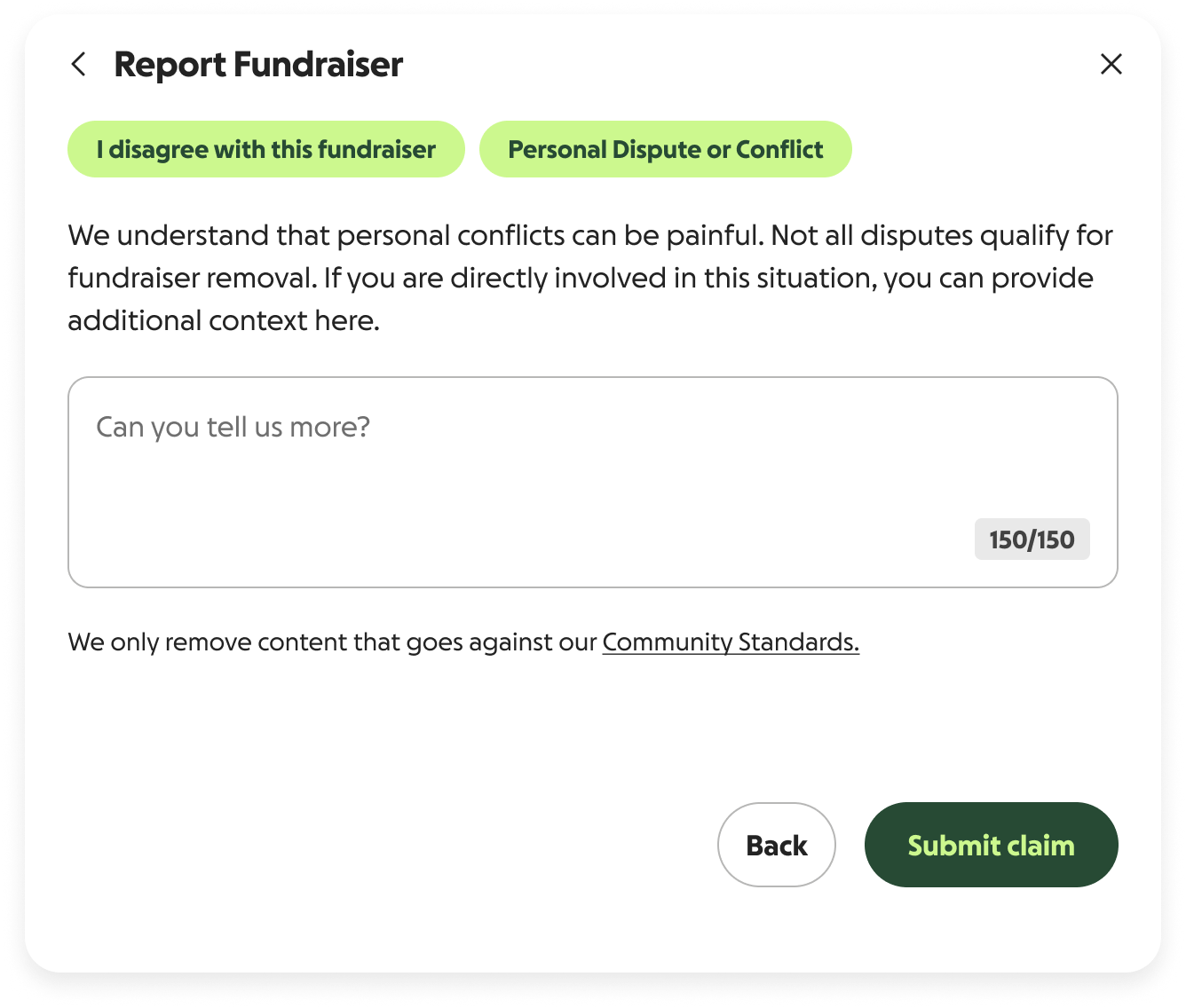
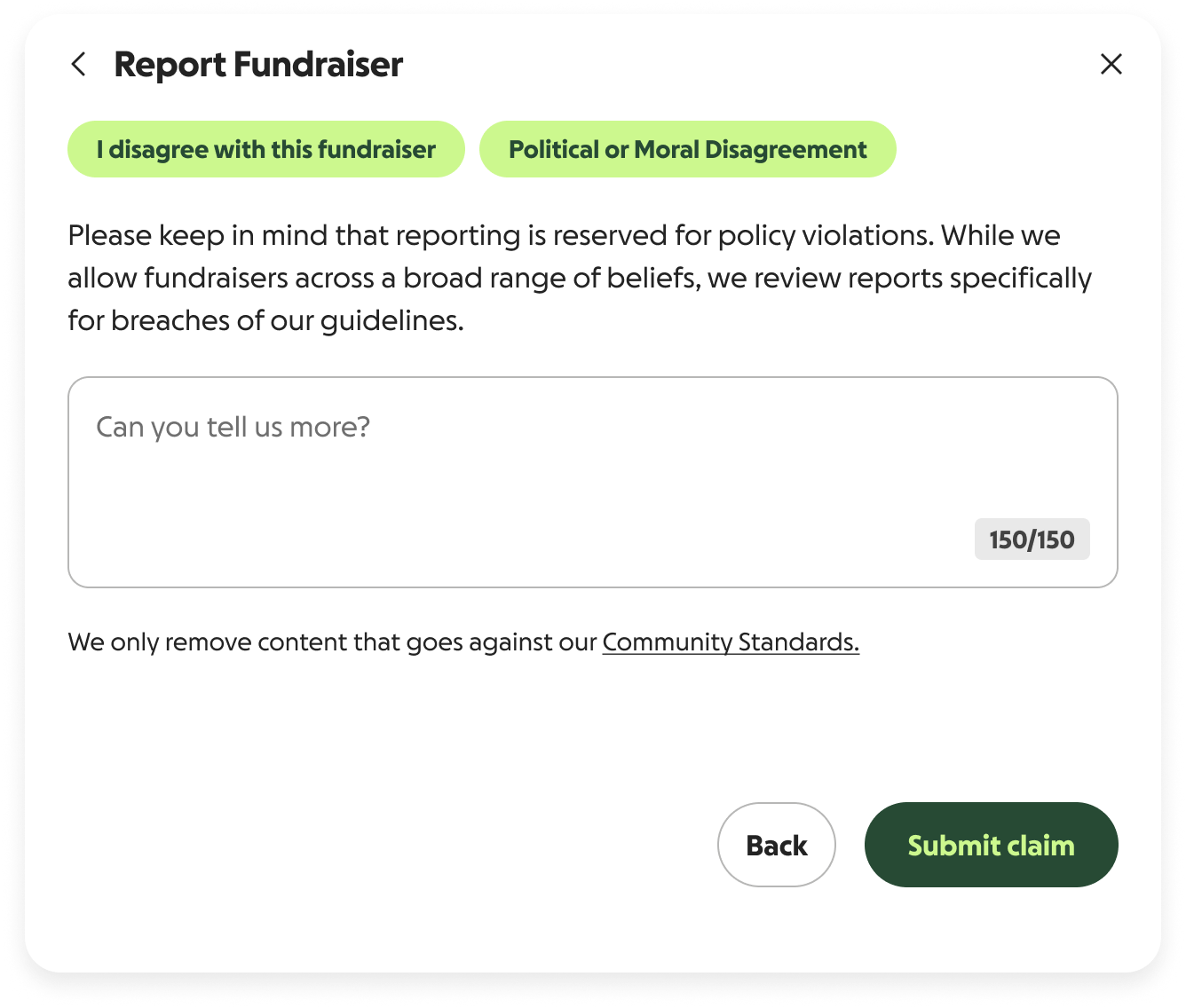
2 / Emotional Reaction
De-escalate emotionally charged situations with clear expectations
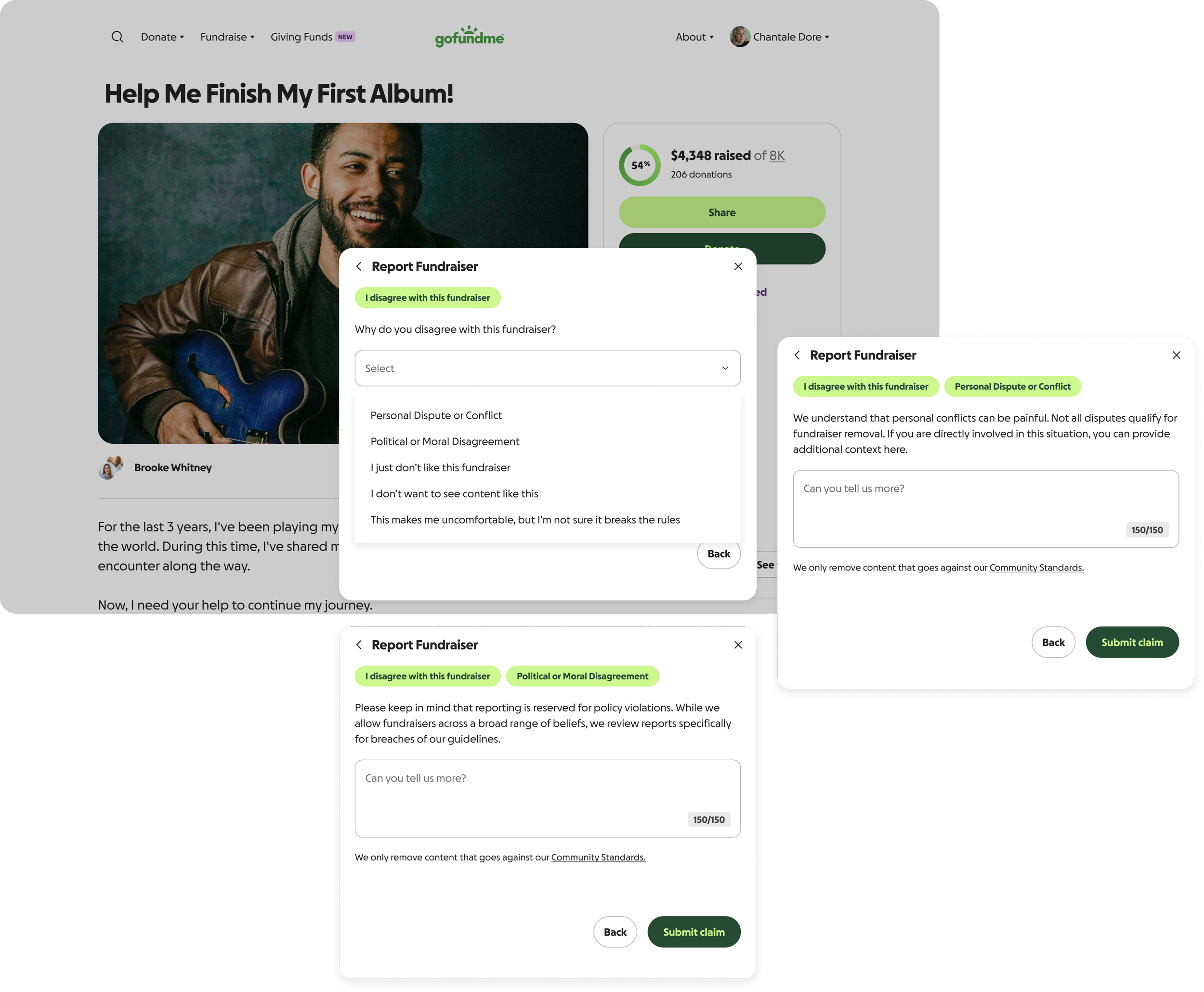
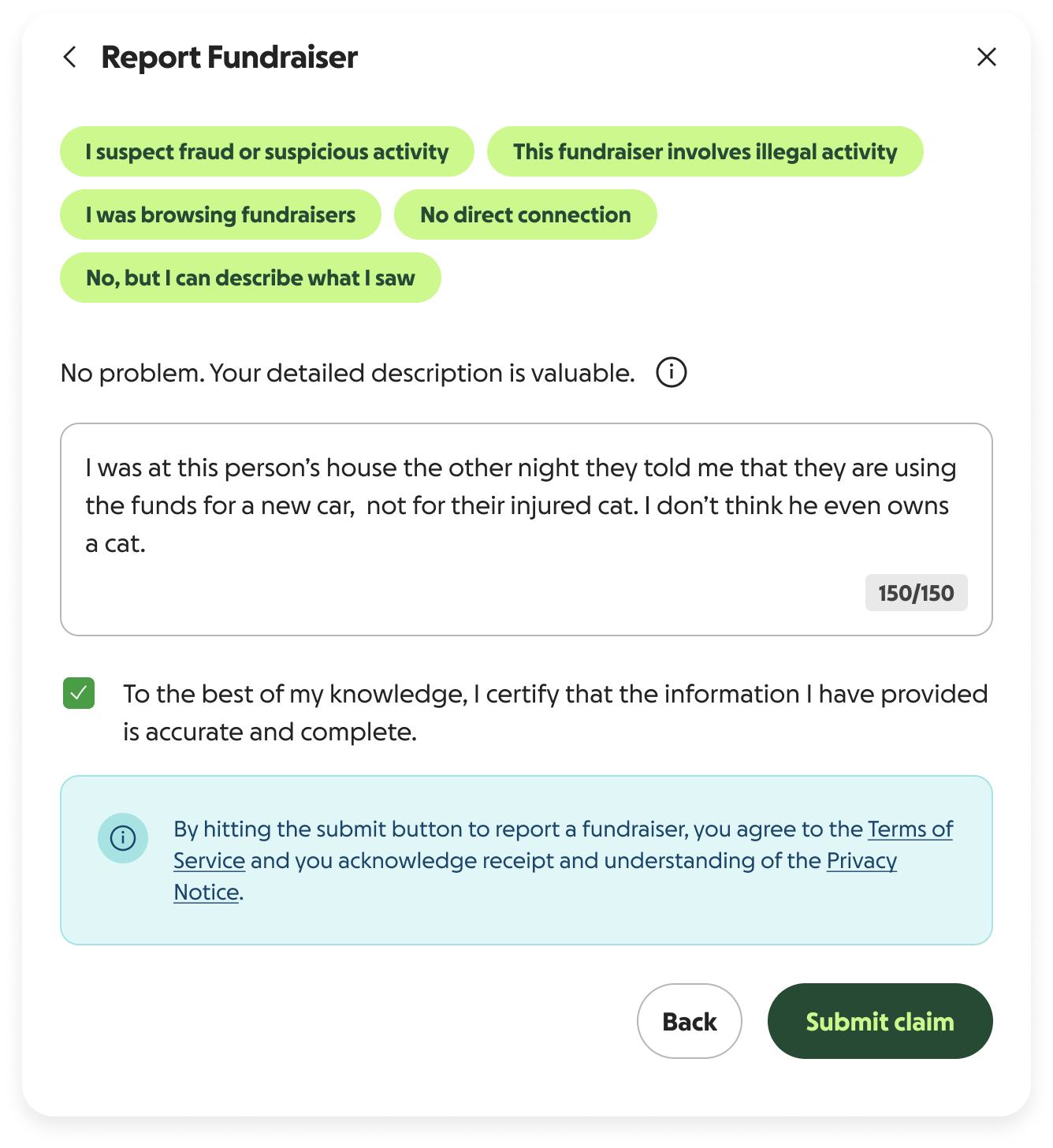
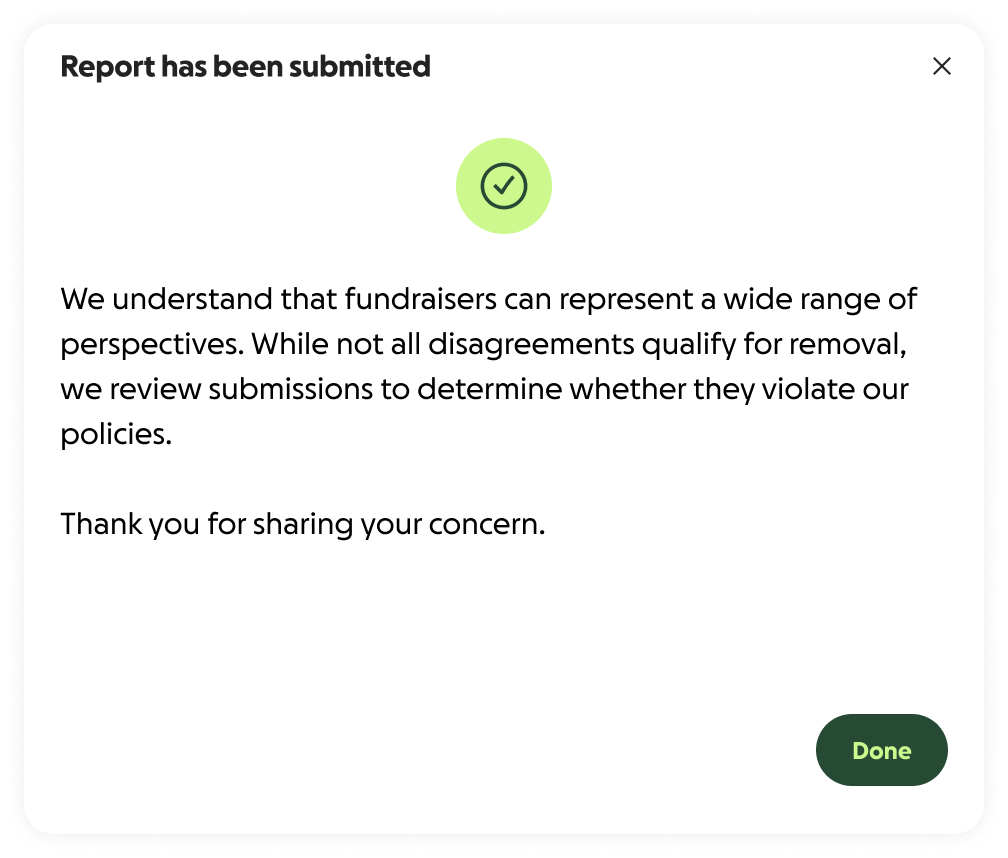
Leverage framing, intent-based selection, and evidence guidance to convert reactive reporting into policy-aligned signal. Providing clear pathways and a controlled outlet for context reduces low-signal submissions and minimizes unsupported claims
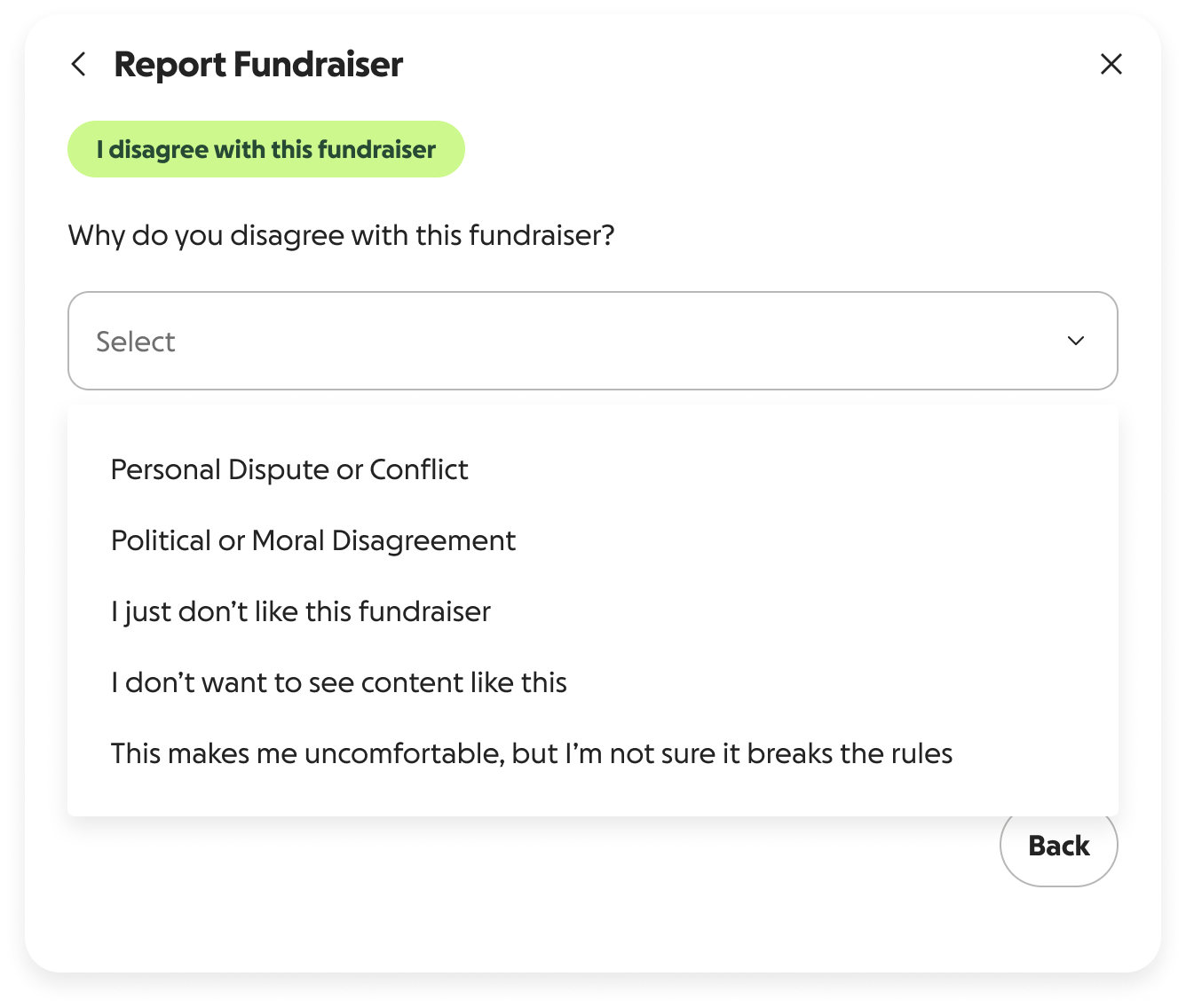
Guide users through pathways that respect their perspective while aligning with policy criteria
3 / Intent Framing + Structured Selection
Built around intent as its core structural layer.
Instead of relying on open-ended narrative, the flow presents clearly defined pathways mapped to policy categories, user behavior patterns, and moderation workflows.
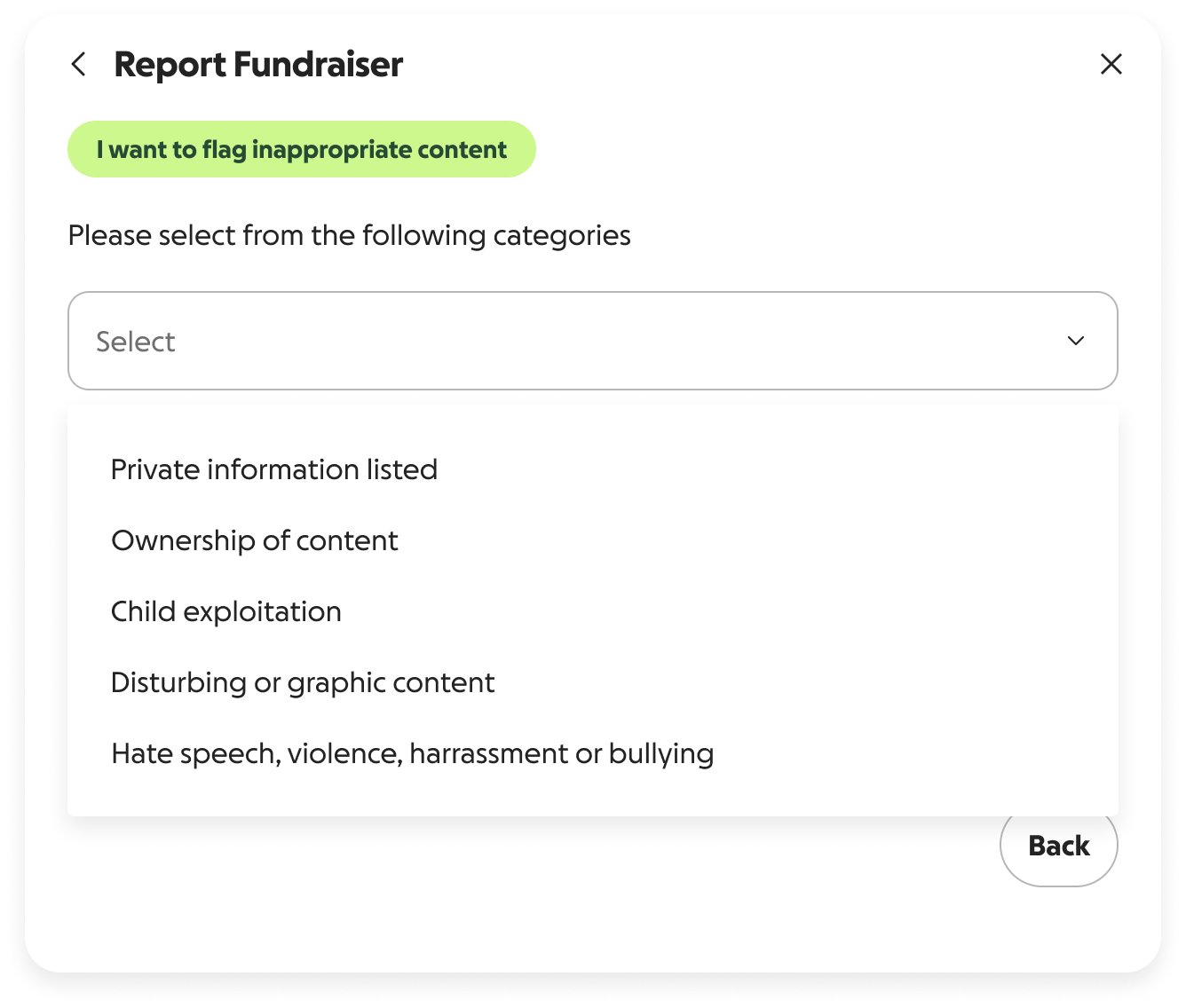
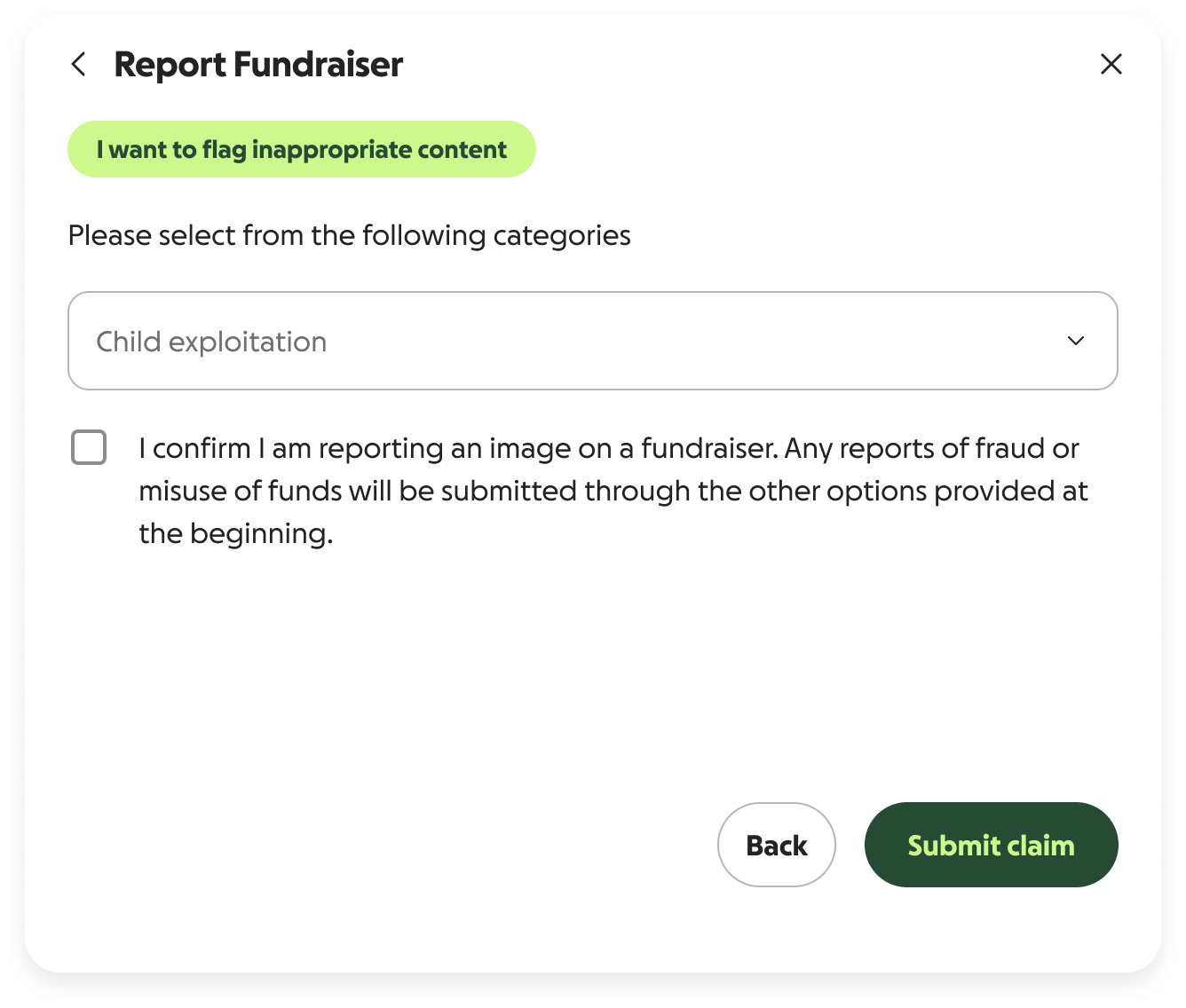
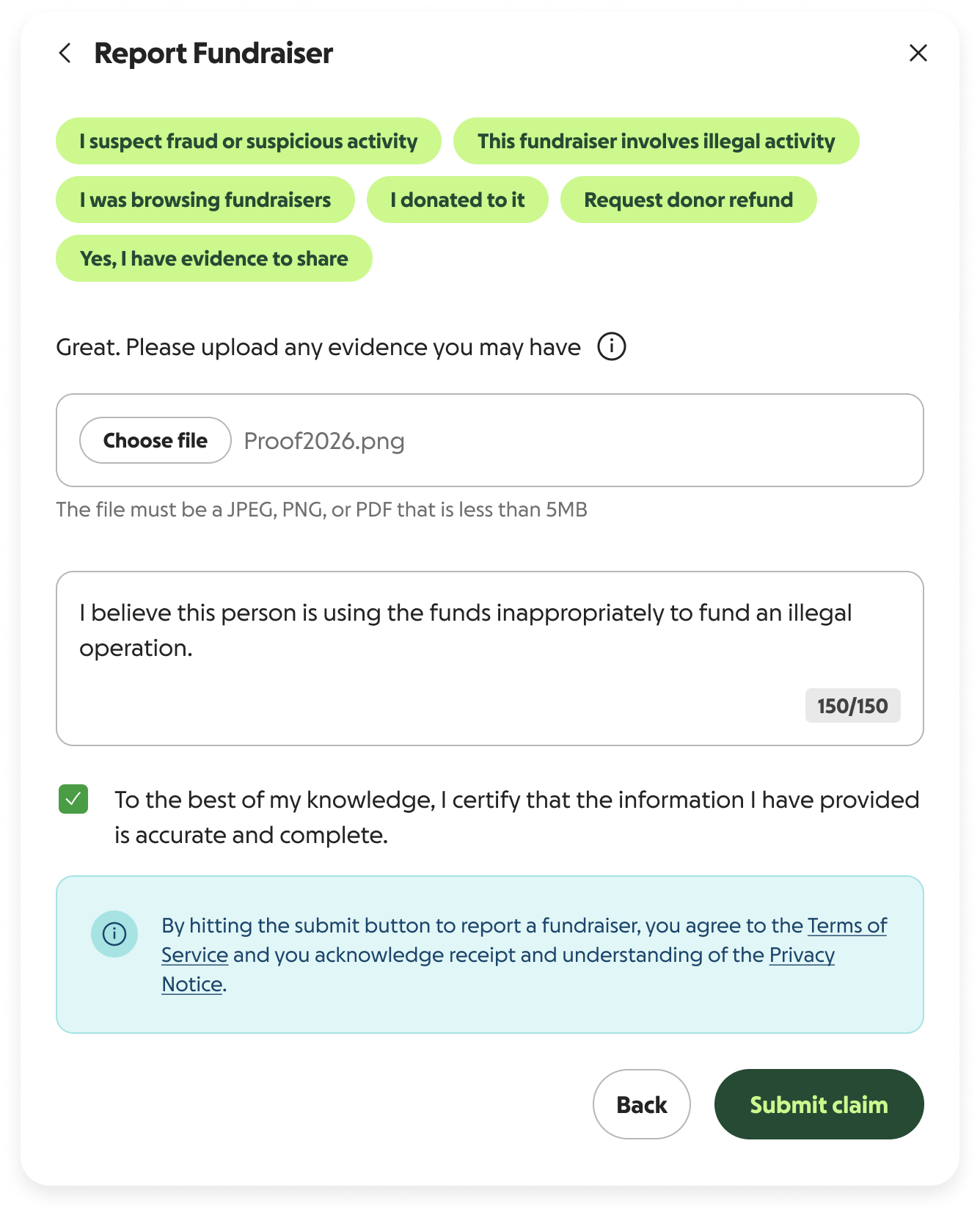
4 / Evidence Guidance + Policy Aligned Signal
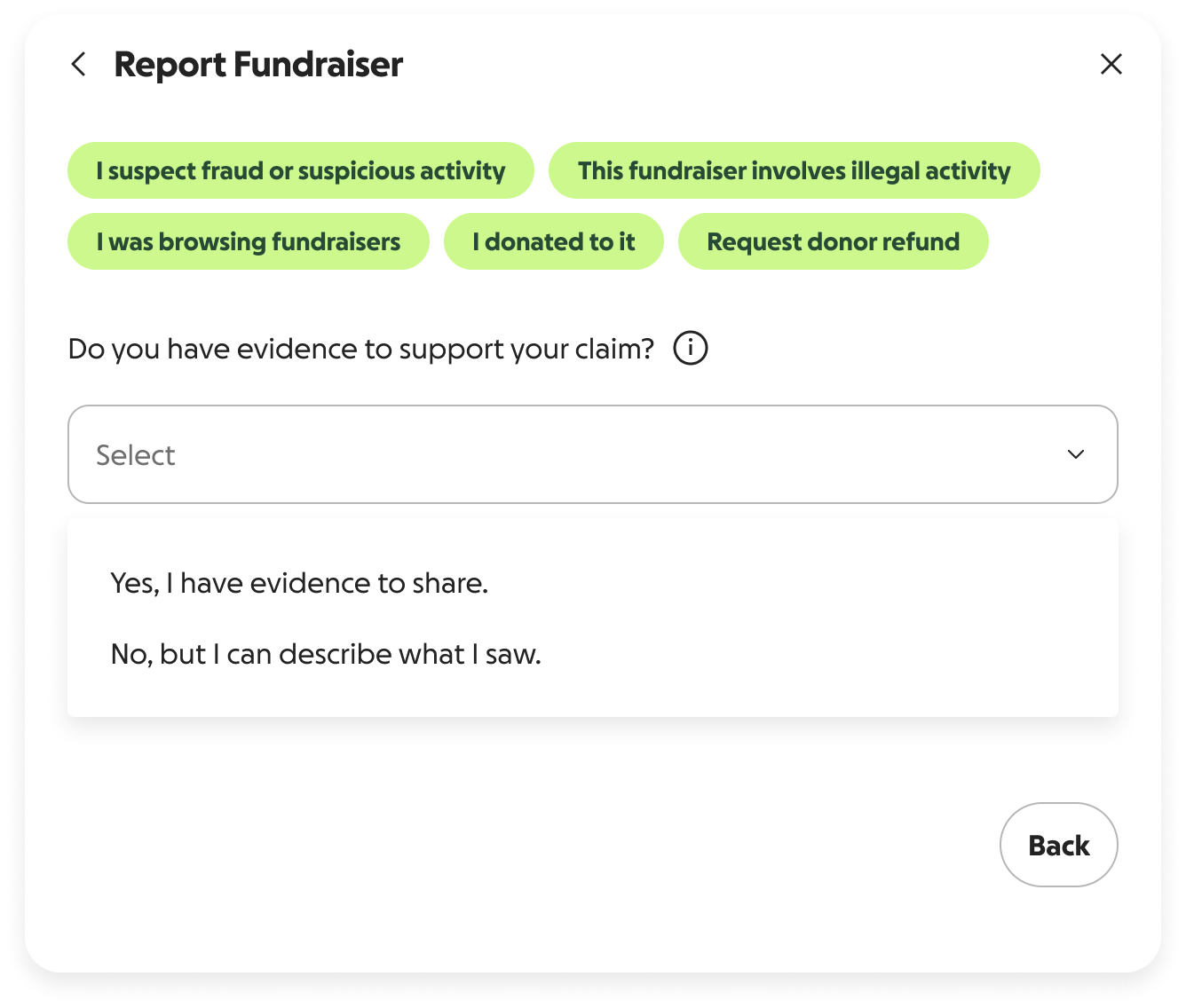
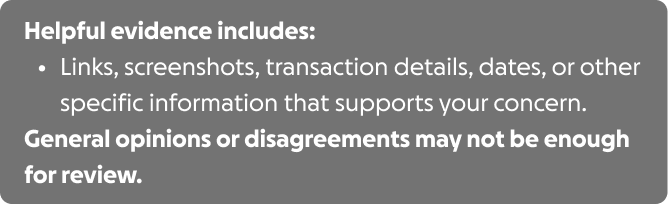
Designing for actionable input
Evidence guidance serves to:
Sets expectations for what can be reviewed
Increase the precision and efficiency of downstream moderation
Summary
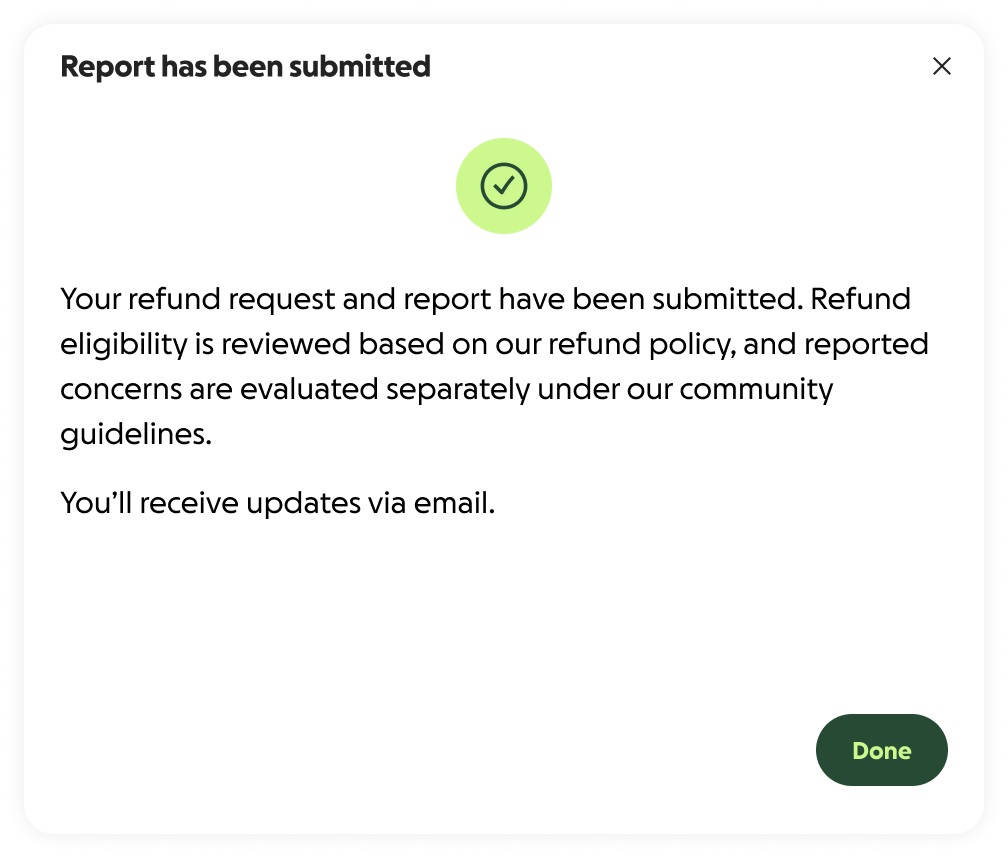
This experience was designed around the tension between emotion and policy. Rather than treating reporting as a simple form submission, the solution applies intent-based framing, structured pathways, and contextual guidance to transform emotionally charged reactions into clear, policy-aligned signal. By validating user concerns while introducing guardrails and proactive discovery, the design improves submission quality, reduces false positives, and strengthens trust across the platform.